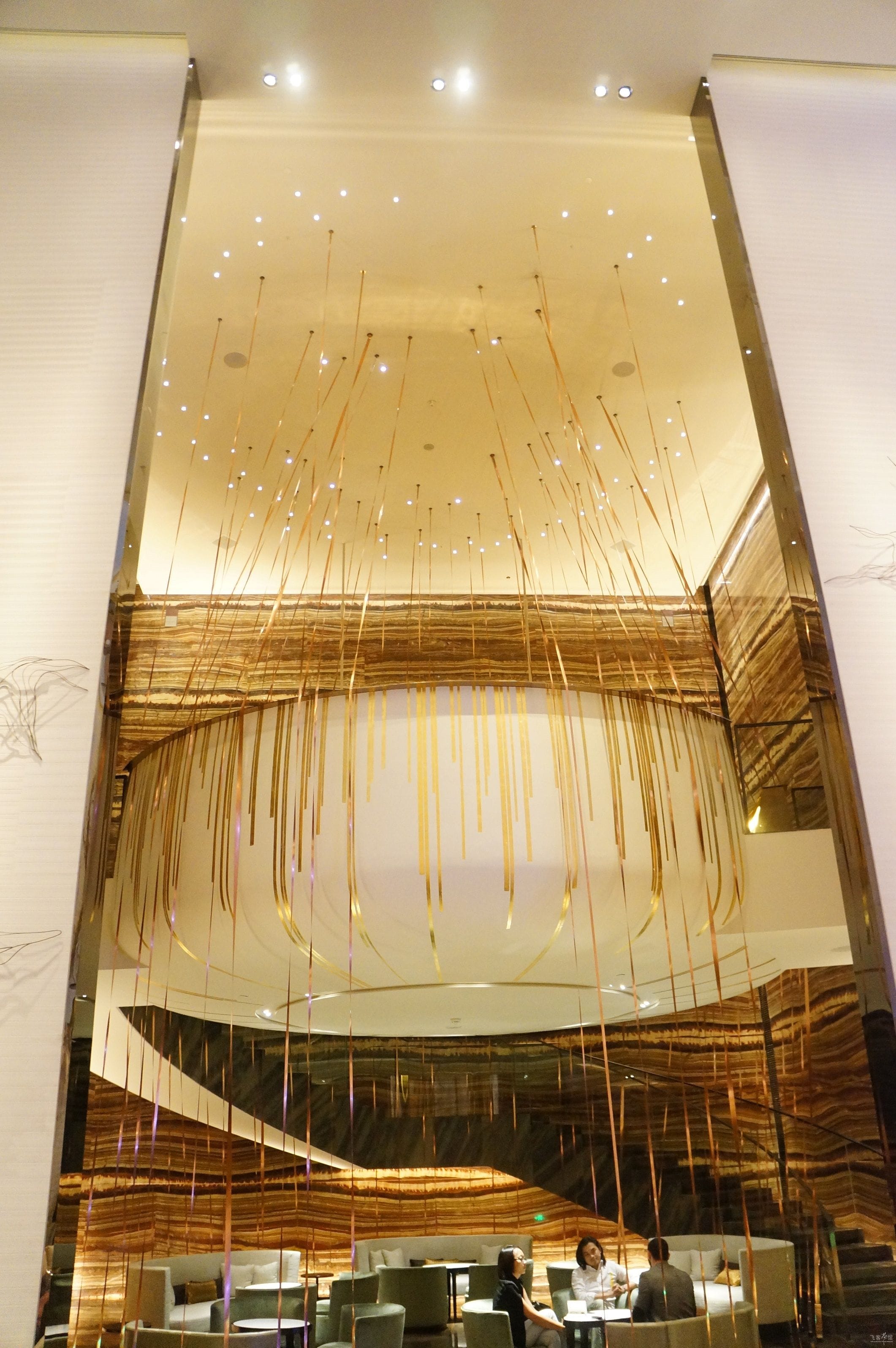
Office Interior Design in Kuala Lumpur — From Ordinary to Exceptional Workspaces
Kuala Lumpur is not the same workplace it was five years ago.Office Interior Design Kuala Lumpur
From the financial towers of KLCC to the fast-growing Tun Razak Exchange (TRX) and the evolving Bangsar South digital corridor, businesses are redefining what the office means. Hybrid work is no longer experimental. Gen Z is no longer “upcoming” — they are here. Co-working ecosystems are no longer fringe alternatives — they are embedded into corporate real estate strategy.
As a creative yet business-driven workplace designer, I see this transformation daily. Office Interior Design Kuala Lumpur today is not about filling space with desks. It is about orchestrating performance, culture and adaptability — ruang kerja yang benar-benar hidup (a workspace that truly comes alive).
The question is no longer how to design an office.
It is how to transform it from ordinary into exceptional.
How Work is Evolving in Kuala Lumpur
Kuala Lumpur’s economy is driven by finance, oil & gas, technology, shared services and regional headquarters operations. Office density remains concentrated in KLCC, TRX, Mid Valley, and Damansara Heights, while decentralised hubs like Petaling Jaya and Subang continue to attract cost-sensitive occupiers.
Yet rental pressure and talent competition are shifting workplace expectations.
Malaysia’s hybrid adoption rate is moderate but stabilising. Many companies operate on structured flexibility — three days in office, two remote. This creates utilisation inefficiency in traditional layouts built for 100% attendance.
Meanwhile, Gen Z professionals — digital natives entering firms across fintech, creative media, ESG consulting and tech startups — expect:
-
Flexibility over rigidity
-
Meaningful collaboration zones
-
Wellness integration
-
Authentic brand identity
-
Technology-enabled fluidity
Traditional cubicle grids no longer perform. Assigned seating models waste space. Formal boardrooms sit underused. Large reception counters feel symbolic rather than strategic.
In Kuala Lumpur’s competitive employment market, particularly in technology and finance, workspace has become part of talent strategy.
That is where strategic Office Interior Design Kuala Lumpur must evolve.
Designing for Activity-Based Working (ABW)
Activity-Based Working (ABW) is not a trend. It is a spatial response to behavioural reality.
In high-rent districts like KLCC and TRX, space efficiency directly affects operational cost. ABW allows companies to reduce workstation ratios while increasing functional diversity.
Instead of rows of desks, we design task-based zones:
-
Focus pods for deep work
-
Open collaboration tables for agile teamwork
-
Touchdown counters for short stays
-
Quiet libraries for concentration
-
Informal lounges for spontaneous exchange
-
Acoustic booths for virtual meetings
This zoning logic increases utilisation agility. When attendance fluctuates, space still performs.
In Kuala Lumpur’s climate, ABW also requires environmental calibration. Open collaboration zones must integrate acoustic absorption to manage noise. Lounge areas need controlled daylight to reduce glare. HVAC must adapt to shifting occupancy densities.
When executed correctly, ABW office design Kuala Lumpur projects demonstrate measurable outcomes:
-
Improved space utilisation rates
-
Reduced underused square footage
-
Enhanced cross-team interaction
-
Higher employee satisfaction scores
ABW is not aesthetic minimalism. It is performance architecture.
Designing Workspaces That Attract and Retain Gen Z Talent
Gen Z professionals in Kuala Lumpur grew up in a digitally connected, socially expressive environment. Their expectations of workspace are different from previous generations.
They seek:
-
Transparency in layout
-
Informal meeting culture
-
Wellness-sensitive design
-
Biophilic integration
-
Authenticity over corporate sterility
In Bangsar South’s tech ecosystem, we often integrate café-style collaboration zones that blur boundaries between work and social connection. In financial institutions within KLCC, we reinterpret formality through softer materials and hospitality-inspired lounges.
Gen Z values experience. A modern office interior Kuala Lumpur environment must communicate identity.
We weave:
-
Natural textures to counterbalance glass towers
-
Flexible furniture systems for autonomy
-
Technology-enabled booking systems for transparency
-
Brand storytelling through spatial graphics
But authenticity is critical. Over-designed “Instagram corners” without cultural alignment feel artificial.
In Malaysia, where kerjasama (collaboration) and semangat pasukan (team spirit) remain culturally important, social spaces must foster genuine connection — not staged aesthetics.
Workspace influences employer branding. And employer branding influences recruitment competitiveness.
The Rise of Co-Working and Hybrid Ecosystems in Kuala Lumpur
Kuala Lumpur’s co-working ecosystem has matured significantly. Operators in KL Sentral, Damansara Heights and Mont Kiara now cater not only to startups but to enterprise satellite teams.
Corporations increasingly adopt hub-and-spoke models — central HQ combined with flexible co-working memberships closer to residential suburbs.
This shift impacts design strategy.
Corporate offices must now:
-
Function as collaboration headquarters rather than attendance factories
-
Offer plug-and-play flexibility
-
Accommodate rotating team presence
-
Provide scalable layouts
Co-working space design Kuala Lumpur trends show increased demand for modular partitions, movable walls and demountable systems. Landlords also prioritise ready-built units to attract tenants quickly.
For companies, flexibility reduces long-term lease risk. For designers, it demands future-proof planning.
Exceptional office interior design must anticipate contraction, expansion and reconfiguration — without expensive demolition cycles.
Smart, Data-Driven Workplace Design
Technology is reshaping spatial intelligence.
Occupancy sensors, booking analytics and utilisation dashboards now inform workplace decisions. Instead of guessing space needs, companies measure behaviour patterns.
In our firm’s projects, we integrate:
-
Sensor-informed zoning adjustments
-
Digital room booking systems
-
Smart lighting calibration for circadian rhythm alignment
-
Acoustic modelling to reduce distraction
-
Energy-efficient HVAC systems aligned with ESG goals
Sustainability in Kuala Lumpur’s office sector is increasingly linked to corporate reporting requirements. Green Building Index (GBI) standards influence tenant expectations. Energy efficiency reduces operational cost — critical in a city with high cooling demand.
Workplace design must therefore balance comfort, sustainability and measurable efficiency.
Performance is the new prestige.
Delivering Office Interior Design in Kuala Lumpur the Right Way
Design intelligence means little without execution discipline.
Office renovation Kuala Lumpur projects require:
-
Building management approval coordination
-
Fire safety compliance
-
MEP integration within landlord constraints
-
After-hours construction scheduling
-
Strict defect control systems
In Grade A towers around KLCC and TRX, fit-out guidelines are stringent. Ceiling heights, sprinkler alignment and chilled water systems must be coordinated precisely.
Contractor ecosystem reliability varies. Procurement timelines fluctuate depending on imported material lead times.
Our firm approaches delivery through structured governance:
-
Detailed technical drawings
-
Pre-construction coordination workshops
-
Phased scheduling aligned with tenancy milestones
-
On-site supervision and inspection checklists
Because cost overruns and timeline delays erode business confidence.
Exceptional workplace design is built — not imagined.
A Future-Ready Workplace Design Partner in Kuala Lumpur
Companies in Kuala Lumpur choose partners who understand both design and business logic.
They require:
-
Workplace strategy insight
-
Real estate cost awareness
-
Hybrid workforce sensitivity
-
Construction reliability
-
ESG alignment capability
Our firm positions workplace transformation not as decoration, but as organisational strategy. From financial institutions in TRX to technology firms in Bangsar South, we design environments that align with productivity, talent retention and spatial efficiency.
We blend global insight with local intelligence — understanding commuting patterns, Malaysian workplace culture, and climatic realities.
Because great offices are not loud.
They are effective.
From Workplace Strategy to Completion
Our structured process includes:
-
Workforce behaviour analysis
-
Spatial programming aligned to business objectives
-
Concept development and 3D visualisation
-
Cost planning and feasibility review
-
Authority submissions and landlord coordination
-
Site supervision and quality inspection
-
Installation and commissioning
This governance framework ensures that every Office Interior Design Kuala Lumpur project transitions smoothly from idea to operational reality.
Redesign Your Workplace for the Future in Kuala Lumpur
Kuala Lumpur is accelerating — economically, digitally and culturally.
Workplaces must keep pace.
If your office still reflects a pre-hybrid mindset, it may be costing more than rent. It may be costing engagement, productivity and talent.
Let us help you reimagine your space — thoughtfully, strategically and with deep local understanding.
Because exceptional workplaces are not accidental.
They are intentionally designed — dengan visi dan ketelitian — with vision and precision.
Connect with us in