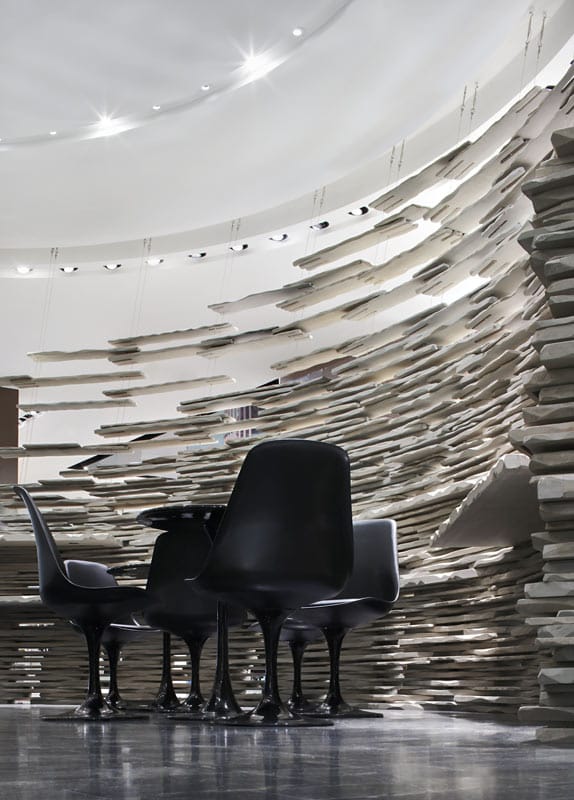
Kuala Lumpur Interior Design: Workplace, Hospitality & Retail Specialists
Kuala Lumpur is a city in motion—vibrant, layered, and constantly evolving. From the corporate towers of KLCC and Tun Razak Exchange (TRX) to the lifestyle-driven retail hubs of Bukit Bintang and Mid Valley, the city reflects a dynamic intersection of business, tourism, and culture.Kuala Lumpur Interior Design
In this fast-paced environment, Kuala Lumpur interior Design is no longer confined to aesthetics. It has become a strategic tool—one that shapes how people work, shop, stay, and connect. At our firm, we approach design as a multi-sensory, people-centric experience, crafting environments across workplace, hospitality, and retail sectors that are not only visually compelling but deeply purposeful.
Because here, “ruang bukan sekadar cantik, tetapi mesti berfungsi”—a space is not just beautiful, it must perform.
Understanding Kuala Lumpur’s Commercial Landscape
Kuala Lumpur’s growth is fueled by a strong mix of finance, technology, tourism, and retail economies. The rise of mixed-use developments has redefined how spaces are experienced—offices blend into lifestyle destinations, hotels integrate with retail, and malls become social hubs.
Workplace expectations are shifting. Companies in areas like Bangsar South and Mont Kiara are embracing hybrid work models, seeking flexible, engaging environments that attract and retain talent.
At the same time, the hospitality sector is becoming increasingly design-driven. Boutique hotels and lifestyle brands are emerging alongside global operators, all competing to offer memorable guest experiences.
Retail, long anchored by large malls, is evolving into experiential destinations, where storytelling and engagement are key to driving footfall and conversion.
This layered ecosystem demands a multi-sector design approach—one that understands the nuances of each environment while creating a cohesive narrative across all.
A Multi-Sector Design Approach: One Vision, Multiple Experiences
Designing across workplace, hospitality, and retail is not about applying a single formula—it’s about adapting strategy to human behavior. Each sector carries its own rhythm, expectations, and measures of success.
At our firm, we see these differences not as challenges, but as opportunities to create richer, more connected experiences.
Workplace Design: Productivity Meets Human Connection
The modern workplace in Kuala Lumpur is evolving into a people-first environment. It’s no longer about rows of desks—it’s about creating spaces that support collaboration, focus, and wellbeing.
We design offices using principles such as:
- Activity-Based Working (ABW): Flexible zones for different work styles
- Collaborative hubs: Encouraging teamwork and idea exchange
- Quiet zones: Supporting focus and deep work
- Social spaces: Strengthening team culture
In Malaysia’s warm climate, integrating natural light, greenery, and ventilation enhances comfort and productivity. Offices become places where employees feel energized and connected—“kerja dengan semangat” (working with spirit).
Hospitality Design: Crafting Memorable Guest Experiences
In hospitality, design is about emotion. It’s about how a space makes you feel the moment you enter.
Hotels in Kuala Lumpur must balance global standards of luxury with local cultural identity. From the lobby to the guest room, every touchpoint contributes to a cohesive narrative.
We focus on:
- Arrival experience: Creating a strong first impression
- Spatial storytelling: Reflecting brand identity and local culture
- Operational efficiency: Ensuring smooth guest and staff flow
- Atmosphere: Through lighting, materials, and sensory design
Whether it’s a boutique hotel in Chinatown or a luxury property near KLCC, the goal is the same—to create spaces that guests remember and return to.
Retail Design: Engaging, Experiential, and Brand-Driven
Retail in Kuala Lumpur is no longer just about transactions—it’s about experiences.
In high-traffic areas like Pavilion KL or Suria KLCC, competition is intense. Brands must stand out, and design plays a critical role in attracting and engaging customers.
Key strategies include:
- Spatial flow: Guiding customer movement intuitively
- Visual merchandising: Creating compelling displays
- Experiential zones: Encouraging interaction and exploration
- Brand storytelling: Translating identity into space
A well-designed retail space doesn’t just sell—it connects emotionally, turning visitors into loyal customers.
Cross-Pollination: The Power of Multi-Sector Thinking
One of the greatest strengths of a multi-sector design firm is the ability to transfer ideas across industries.
- Hospitality-inspired comfort enhances workplace environments
- Retail storytelling adds depth to office and hotel spaces
- Workplace efficiency improves hospitality operations
This cross-pollination creates spaces that are more dynamic, engaging, and future-ready. It allows us to design environments that feel intuitive, human, and deeply connected to their purpose.
The Design Process: From Vision to Reality
Every successful project begins with a clear, strategic process.
1. Concept Development & Strategy
We start by understanding the client’s vision, brand, and objectives—translating them into a design concept that guides the entire project.
2. Spatial Design & Planning
Layouts are carefully crafted to optimize flow, functionality, and user experience.
3. Material Curation & Detailing
Materials are selected not only for aesthetics but for durability, sustainability, and tactile quality.
4. Visualization & Technical Documentation
3D visuals and detailed drawings ensure clarity and precision before construction begins.
5. Construction Coordination & Delivery
We oversee execution to ensure that every detail is realized as intended—on time and on budget.
Designing for Kuala Lumpur: Local Identity, Global Standards
Localization is key. Every project must respond to Kuala Lumpur’s cultural, environmental, and economic context.
This means:
- Designing for tropical climate conditions
- Incorporating local materials and craftsmanship
- Reflecting cultural diversity and identity
- Aligning with modern urban lifestyles
At the same time, we maintain global design standards, ensuring that every space meets international expectations of quality and sophistication.
Design That Performs: From Experience to Business Impact
Great design delivers measurable results. In Kuala Lumpur’s competitive market, well-designed spaces contribute to:
- Improved business performance
- Stronger brand positioning
- Enhanced user experience
- Higher customer and employee satisfaction
- Long-term value creation
Whether it’s increasing footfall in a retail space, boosting employee productivity, or elevating guest satisfaction, design becomes a strategic asset.
A Trusted Multi-Sector Design Partner
At our firm, we believe that the future of design lies in integration—bringing together workplace, hospitality, and retail expertise to create holistic environments that truly perform.
With deep experience and a people-centric approach, we deliver spaces that are not only visually striking but thoughtfully designed to support how people live, work, and interact.
In the ever-evolving landscape of Kuala Lumpur, Kuala Lumpur interior Design becomes more than a service—it becomes a partnership in shaping environments that inspire, connect, and succeed.
Because ultimately, great design is not just about space—
it’s about creating experiences that stay with people long after they leave.
Connect with us in