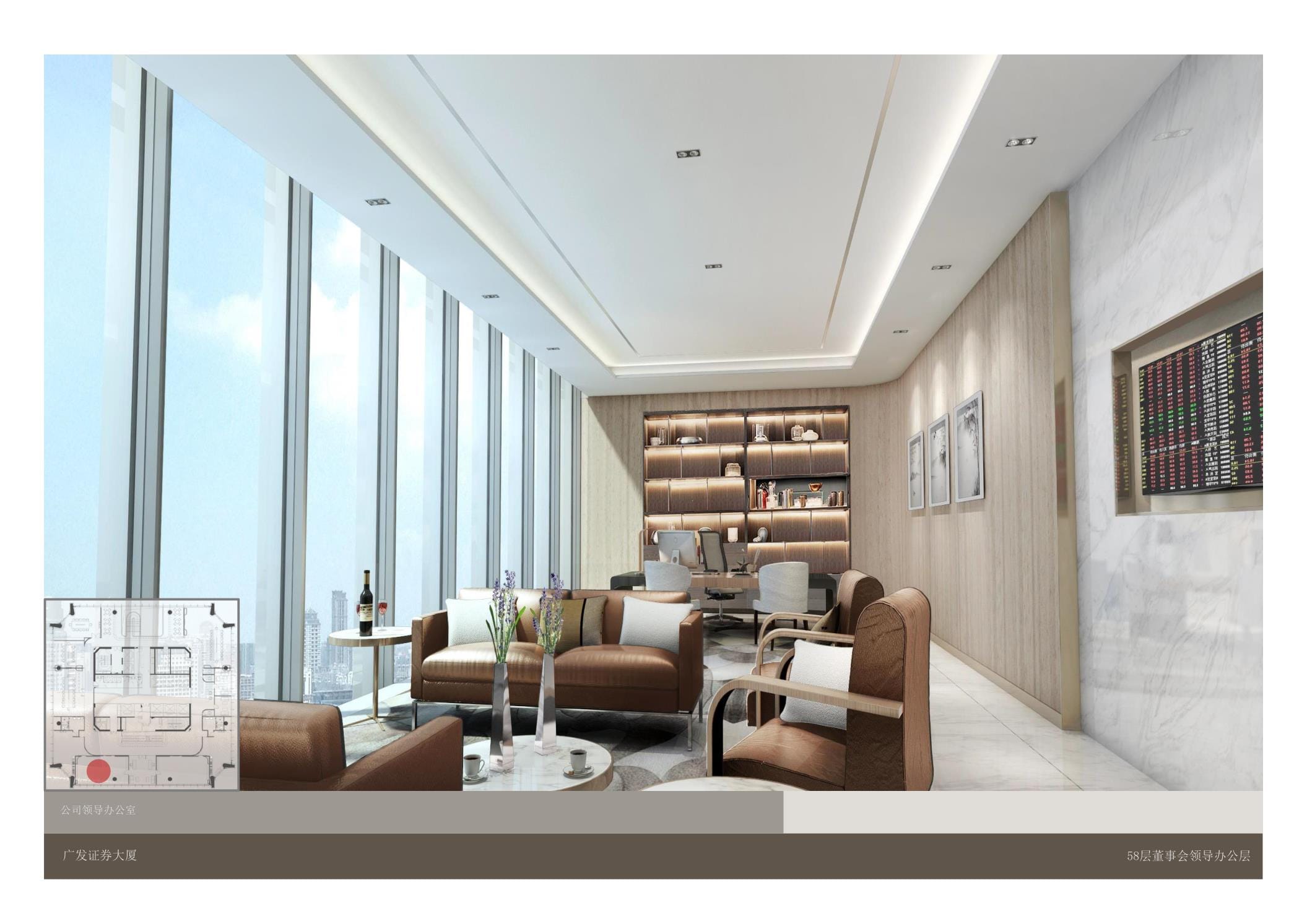
Interior Design in Kuala Lumpur: Rethinking Retail Spaces That Truly Perform
Retail today is no longer defined by shelves, counters or footfall alone. In Kuala Lumpur—a city shaped by malls, mixed-use developments and evolving consumer behaviour—interior design Kuala Lumpur plays a decisive role in whether a physical store survives, scales or slowly fades.
As e-commerce reshapes buying habits, brick-and-mortar retail must offer something digital platforms cannot: experience, emotion and spatial intelligence. Interior design becomes the silent engine behind customer engagement, dwell time, brand trust and revenue per square metre.
This article explores how retail interior design in Kuala Lumpur must evolve—strategically, culturally and commercially—to create spaces that perform in real market conditions.
Why Retail Interior Design in Kuala Lumpur Is at a Turning Point
Kuala Lumpur’s retail ecosystem is unique in Southeast Asia. It combines:
-
High-density mall culture
-
Street-front retail in lifestyle districts
-
Mixed-use podium retail below offices and residences
-
Strong F&B-driven foot traffic
Locations such as Bukit Bintang, Mid Valley City and Damansara Heights reflect different retail expectations, spending patterns and customer psychology.
Yet many retail interiors still rely on imported concepts that ignore:
-
Local shopping behaviour
-
Climate-driven comfort issues
-
Rental pressure and operational efficiency
-
Fast-changing tenant mix and consumer trends
In Kuala Lumpur, retail design that is not commercially intelligent becomes a liability.
From Visual Appeal to Commercial Performance
Retail interior design must now answer harder questions:
-
How long do customers stay?
-
Where do they pause, browse or disengage?
-
How does layout influence impulse buying?
-
Can the space adapt to seasonal or tenant changes?
Performance-driven retail interiors focus on:
-
Customer journey mapping rather than decorative themes
-
Zoning clarity that guides movement naturally
-
Visual hierarchy that directs attention to high-margin products
-
Comfort control—cooling, lighting and acoustics in a tropical climate
In Kuala Lumpur’s competitive retail environment, design directly influences conversion rate, not just brand image.
Designing Retail Spaces for Kuala Lumpur’s Consumer Behaviour
Local context matters. Kuala Lumpur shoppers:
-
Spend longer in malls due to climate and lifestyle
-
Combine dining, leisure and shopping in one visit
-
Are highly visual and social-media aware
-
Expect comfort, cleanliness and intuitive navigation
Retail interiors must respond by:
-
Creating inviting thresholds that pull people in from corridors
-
Using layered lighting to soften large mall volumes
-
Designing seating and pause points that extend dwell time
-
Balancing “Instagrammable” moments with practical circulation
A successful store in KL feels effortless—senang masuk, senang beli—easy to enter, easy to engage.
Material and Climate Intelligence in Retail Design
Tropical conditions affect retail performance more than most brands realise.
Effective material strategy considers:
-
High humidity and constant air-conditioning cycles
-
Heavy foot traffic and cleaning frequency
-
Glare control under strong artificial lighting
-
Long operating hours
Durable retail interiors in Kuala Lumpur prioritise:
-
Moisture-resistant laminates and engineered timber
-
Anti-slip flooring with easy maintenance
-
Finishes that age gracefully rather than look worn
-
Detailing that hides service access without visual clutter
Material failure is not just aesthetic—it disrupts operations and brand trust.
Retail Design as Brand Strategy, Not Decoration
Interior design is one of the few brand touchpoints customers physically experience. In retail, space becomes storytelling.
Strategic retail interiors translate brand values into:
-
Spatial rhythm and proportion
-
Colour psychology and lighting tone
-
Custom fixtures that reinforce identity
-
Clear distinction between browsing and purchasing zones
In Kuala Lumpur, where many brands compete within the same mall corridor, interior design becomes the differentiator customers remember.
Operational Efficiency: The Hidden Layer of Good Retail Design
Behind every successful retail space is operational logic:
-
Efficient storage and replenishment routes
-
Staff circulation that avoids customer congestion
-
POS placement that supports both speed and upselling
-
Flexible display systems for fast product rotation
Retail interiors designed without operational insight often look good but perform poorly.
A well-designed store quietly reduces staffing stress, improves service flow and supports sales targets—without customers ever noticing why.
Design & Build Integration for Retail Projects
Retail projects in Kuala Lumpur face tight timelines, mall regulations and coordination complexity. Integrated design and build delivery reduces risk by aligning:
-
Concept design with construction reality
-
Budget control with material selection
-
Authority and mall management requirements
-
Site execution with operational readiness
A typical retail-focused workflow includes:
-
Commercial brief and brand positioning
-
Spatial feasibility and layout optimisation
-
Design detailing aligned with mall guidelines
-
Cost planning and procurement strategy
-
Authority and landlord submissions
-
Site coordination and quality inspections
-
Final installation and opening readiness
This structure protects both schedule and investment.
Why Retail Clients in Kuala Lumpur Choose Experienced Design Partners
Retail brands increasingly seek partners who understand:
-
Local mall ecosystems and leasing constraints
-
Consumer behaviour specific to Kuala Lumpur
-
Construction sequencing in live commercial environments
-
Cost sensitivity under rising rental pressures
At our firm, retail interiors are approached as business systems—not visual exercises. Design decisions are measured against performance, adaptability and long-term relevance.
This mindset allows retail spaces to remain competitive long after opening day.
The Future of Retail Interior Design in Kuala Lumpur
Looking ahead, retail interiors in Kuala Lumpur will increasingly focus on:
-
Flexible layouts that support pop-ups and collaborations
-
Hybrid retail-F&B environments
-
Technology-enabled engagement without overcomplication
-
Sustainable materials aligned with ESG expectations
Physical retail will not disappear—but only well-designed spaces will survive.
Interior design Kuala Lumpur must therefore evolve from styling to strategy, from trends to long-term thinking.
Redefining Retail Through Interior Design
If retail is where brands meet people, interior design is how that meeting feels, flows and converts.
For business owners, developers and retail brands in Kuala Lumpur, investing in thoughtful interior design is no longer optional—it is fundamental to resilience and growth.
When design is rooted in local intelligence, commercial logic and execution discipline, retail spaces do more than look good.
They work.
Connect with us in