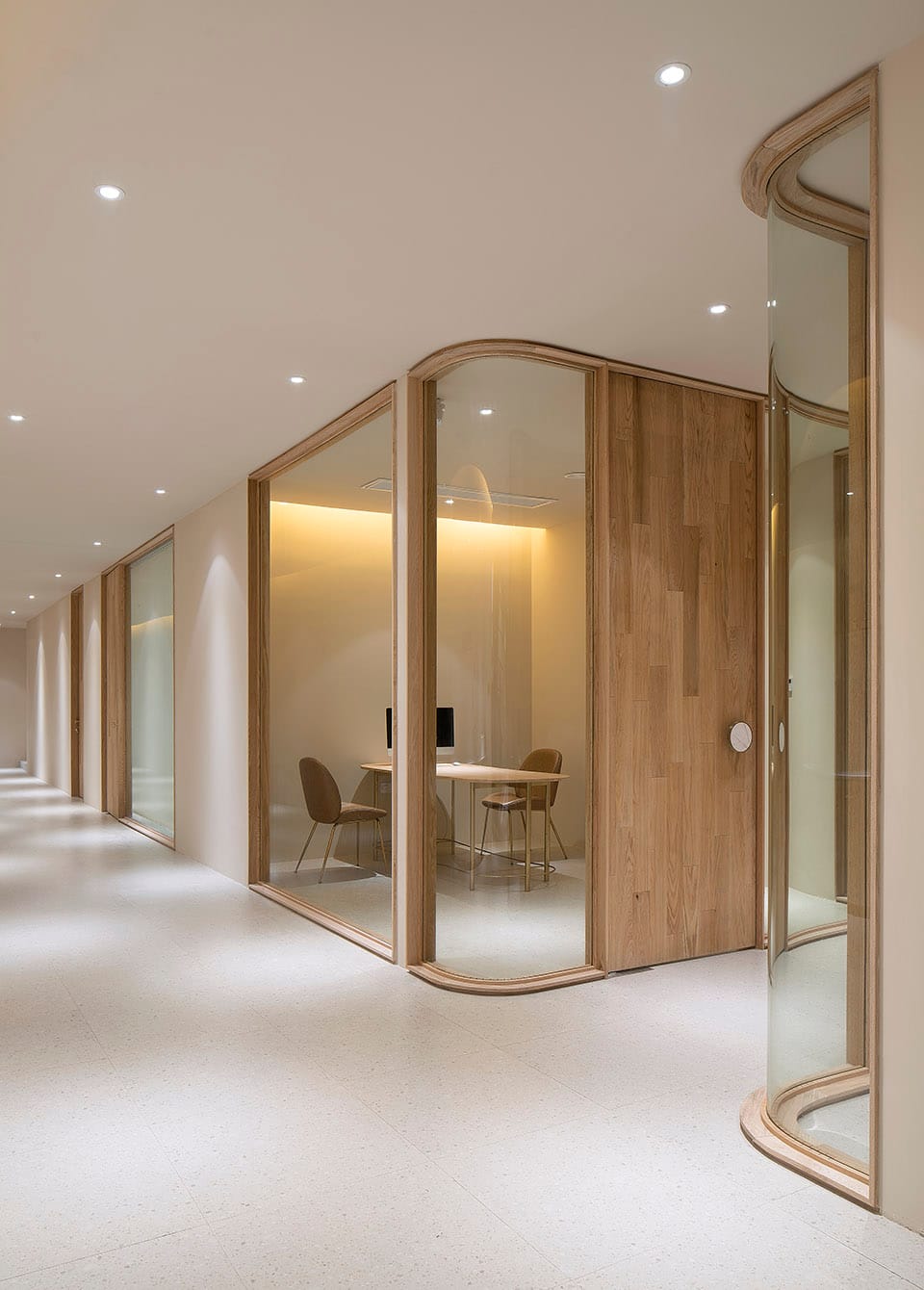
Interior Design Kuala Lumpur: Commercial & Retail Design Experts
Kuala Lumpur is a city where culture, commerce, and innovation intersect. From the luxury retail corridors of Bukit Bintang to the lifestyle-driven hubs of Bangsar and Mid Valley, the city’s commercial landscape is vibrant, competitive, and constantly evolving.Interior Design Kuala Lumpur
As a designer with over 20 years of experience shaping emotional, people-centric spaces, I’ve witnessed a fundamental shift in what customers expect. Today, Interior Design Kuala Lumpur is not simply about how a space looks—it’s about how it performs, connects, and adapts in a world increasingly influenced by digital behavior and fast-changing consumer expectations.
Understanding Kuala Lumpur’s Retail & Commercial Landscape
Kuala Lumpur’s retail culture is deeply social and experiential. Shopping malls such as Pavilion KL, Suria KLCC, and The Exchange TRX are not just retail centers—they are lifestyle destinations where people gather, dine, and connect. The local mindset of “jalan-jalan cari makan” (going out to explore and enjoy) reflects how retail is intertwined with leisure and community.
The city also attracts a diverse demographic—locals, expatriates, and international tourists—each bringing different expectations. At the same time, digital commerce continues to grow, pushing physical retail spaces to offer something beyond convenience: experience, emotion, and memorability.
What Customers Truly Want Today
Modern customers are no longer passive shoppers. They are experience seekers.
From a design perspective, what they truly look for includes:
-
Emotional Connection: Spaces that feel inviting, authentic, and aligned with their lifestyle
-
Ease & Comfort: Clear navigation, comfortable layouts, and intuitive flow
-
Visual Identity: Distinctive environments that reflect a strong brand story
-
Social Media Moments: Instagrammable corners that encourage sharing
-
Seamless Integration: A fluid connection between physical and digital experiences
In essence, customers want spaces that feel hidup (alive), engaging all their senses while making them feel part of something meaningful.
Beyond Aesthetics: Designing for Experience
In today’s competitive environment, commercial and retail design must go beyond decoration. It must be strategic.
Drawing inspiration from how technology is reshaping industries globally, physical spaces must now function like intelligent ecosystems—responsive, adaptable, and data-informed.
This means every design decision must answer a key question:
How does this improve the customer experience?
Key Design Strategies That Shape High-Performing Spaces
1. Storefront Visibility & First Impressions
In high-traffic areas like Bukit Bintang, first impressions happen in seconds. A strong storefront design—bold yet refined—acts as an invitation.
Transparent façades, layered displays, and curated lighting create curiosity and draw people in effortlessly.
2. Customer Journey & Circulation Flow
Once inside, the journey must feel natural and engaging. Strategic circulation planning ensures:
-
Smooth movement through the space
-
Exposure to key products and experiences
-
Opportunities for discovery and interaction
A well-designed flow encourages customers to slow down—pelan-pelan tengok (take your time to explore)—increasing dwell time and engagement.
3. Spatial Zoning & Product Hierarchy
Clear zoning helps organize the experience:
-
Hero zones for featured products
-
Interactive areas for engagement
-
Quiet corners for personalized service
This hierarchy ensures clarity while maintaining visual interest.
4. Lighting as an Experiential Layer
Lighting shapes perception. In luxury retail, it highlights textures, enhances colors, and creates mood.
Layered lighting—ambient, accent, and feature—transforms a space from functional to unforgettable.
5. Materiality & Sensory Engagement
Materials are storytelling tools. In Kuala Lumpur, where humidity and climate play a role, materials must be both beautiful and durable.
Combining natural textures with refined finishes creates a tactile experience—rasa selesa (a feeling of comfort)—that customers remember.
Storytelling Through Space
At the heart of every successful retail or commercial environment is a strong narrative.
Design translates brand identity into physical form through:
-
Spatial composition
-
Color palettes
-
Architectural features
-
Custom furniture and installations
This storytelling creates a sense of place—turning a store into a destination rather than just a point of sale.
Adapting Design to Different Commercial Typologies
Each retail format requires a tailored approach:
Flagship Stores
Designed to impress and inspire, these spaces showcase the full brand story through bold architectural gestures and immersive experiences.
Shopping Mall Units
Efficiency is key. Compact spaces must balance visibility, flow, and product display within limited footprints.
Lifestyle Retail
Blending retail with café, wellness, or social elements creates multi-dimensional experiences that encourage longer visits.
Multi-Brand Environments
Clarity and organization are essential to avoid visual overload while maintaining brand distinction.
Embracing Emerging Retail Trends
Kuala Lumpur’s retail scene is increasingly shaped by global trends:
-
Experiential Retail: Spaces designed for interaction, not just transactions
-
Omnichannel Integration: Click-and-collect, digital touchpoints, and seamless online-offline journeys
-
Flexible Layouts: Adaptable spaces that evolve with seasonal campaigns or product changes
-
Technology Integration: Smart displays, interactive screens, and data-driven insights
These elements create future-ready environments that remain relevant in a fast-changing market.
From Design to Measurable Business Impact
Strategic design delivers tangible results:
-
Increased foot traffic through strong visual identity
-
Higher conversion rates from improved customer flow
-
Enhanced brand recognition through memorable experiences
-
Greater customer loyalty driven by emotional engagement
In Kuala Lumpur’s competitive retail landscape, these outcomes define success.
Setting a New Standard in Kuala Lumpur
To truly stand out, commercial spaces must go beyond functionality. They must be:
-
Human-centered
-
Experience-driven
-
Culturally relevant
-
Adaptable to future needs
This is where Interior Design Kuala Lumpur sets a new benchmark—creating environments that resonate with the city’s dynamic lifestyle while meeting global standards.
Our Firm: Your Strategic Design Partner
At our firm, we believe design is a journey. From concept development to final execution, we provide end-to-end solutions that align brand vision with spatial reality.
Our approach includes:
-
Brand discovery and design strategy
-
Spatial planning and visualization
-
Technical detailing and construction coordination
-
Final styling and experiential refinement
We don’t just design spaces—we create experiences that connect people, brands, and environments.
Conclusion
Kuala Lumpur is a city of opportunity, diversity, and constant movement. To succeed here, brands must offer more than products—they must offer experiences.
Through thoughtful strategy, cultural understanding, and innovative design, Interior Design Kuala Lumpur transforms commercial and retail spaces into powerful platforms for connection and growth.
Because in today’s world, the most successful spaces are not just seen—
they are felt, shared, and remembered.
Connect with us in Surabaya Retail Interior Design