- 69
Kuala Lumpur interior Design | From Destinations to Living Environments: The Future of Hospitality Design
Hospitality design is changing profoundly. In 2026, hotels, resorts, and lifestyle destinations are no longer simply places people visit temporarily—they are becoming environments people emotionally inhabit. Travelers today seek more than accommodation. They seek connection, flexibility, wellbeing, and experiences that feel meaningful long after checkout. Interior Design Kuala Lumpur
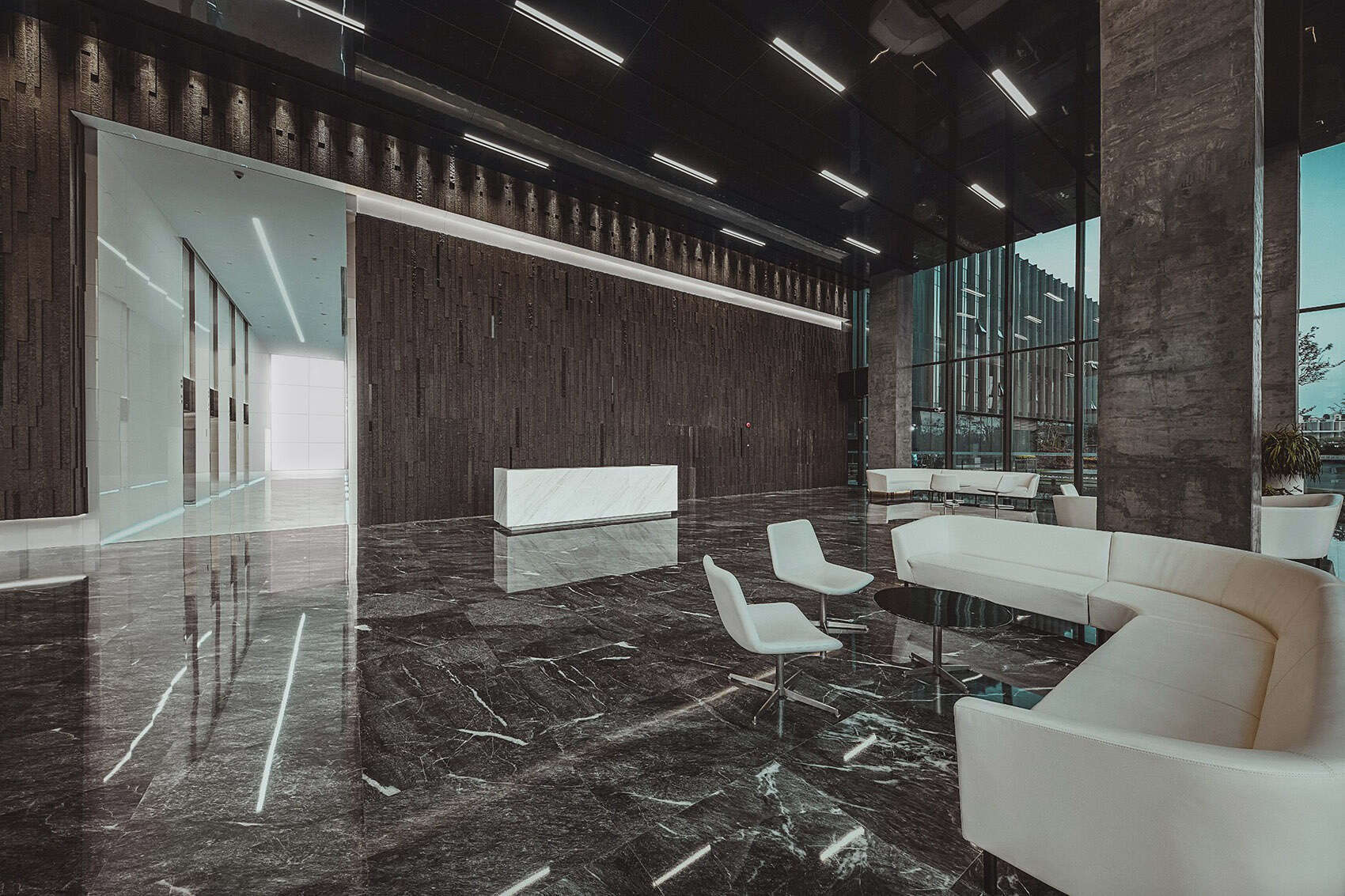
The lines between hospitality, residential, workplace, and lifestyle environments are increasingly dissolving. A hotel lobby now functions as a coworking hub. A resort becomes a wellness retreat. A café transforms into a social workspace. Hospitality spaces are evolving into living ecosystems where people work, socialize, rest, and reconnect.
As a hospitality-focused design practice, our firm approaches Kuala Lumpur interior Design through this evolving lens—creating immersive environments that respond not only to aesthetics, but to human behavior, emotional experience, and long-term cultural relevance.
In Kuala Lumpur, this shift is especially visible. From the lifestyle-driven developments surrounding Bukit Bintang and TRX to the mixed-use hospitality concepts emerging in Bangsar South and KL Sentral, the city’s hospitality landscape is evolving alongside changing expectations around hybrid living, wellness, and social connection.
The Shift from Destination to Living Environment
Hospitality spaces were once designed primarily for temporary stays. Today, they must support a much broader range of experiences.
Hotels now function as:
- social and cultural hubs
- coworking environments
- wellness-oriented retreats
- lifestyle destinations for local communities
- hybrid environments for work and leisure
This transformation reflects how modern life itself has changed. Remote work, flexible travel, and experience-driven lifestyles mean people expect hospitality environments to feel more human, adaptable, and emotionally engaging.
In Kuala Lumpur interior Design, this evolution is shaping a new generation of hospitality spaces—less transactional, more immersive.
Hospitality Design in the Experience Economy
Luxury is no longer measured by scale or ornamentation alone. Today, travelers value:
- authenticity
- personalization
- emotional connection
- sensory richness
- memorable atmosphere
Hospitality design must therefore move beyond visual styling toward experiential storytelling. Atmosphere becomes more important than decoration. Guests remember how a space felt, not simply how it looked.
This means focusing on:
- sensory comfort
- layered lighting
- tactile materials
- emotional pacing through space
- curated moments of interaction and discovery
Ruang yang baik bukan sekadar cantik—ia terasa hidup.
A successful space is not only beautiful—it feels alive.
The Blurring of Hospitality, Residential & Workplace Design
One of the most important shifts in contemporary design is the merging of typologies.
Hospitality environments increasingly borrow from residential warmth and workplace flexibility:
- hotel lounges designed like living rooms
- coworking-inspired social hubs
- branded residences with hospitality services
- mixed-use developments blending retail, wellness, and accommodation
At the same time, offices are becoming more hospitality-driven, while homes increasingly integrate resort-like comfort and wellness experiences.
This convergence is shaping the future of Kuala Lumpur interior Design—where spaces must feel adaptable, layered, and emotionally intelligent.
Designing for Wellness & Human Connection
Wellbeing has become central to hospitality design.
Today’s guests are more conscious of mental health, comfort, and emotional restoration. Hospitality environments must therefore support:
- relaxation
- social connection
- sensory calm
- physical comfort
- emotional wellbeing
Our firm integrates wellness through:
- biophilic design and greenery
- natural daylight and ventilation
- tactile natural materials
- acoustic comfort
- wellness-focused amenities and retreat spaces
In Kuala Lumpur’s tropical environment, openness and indoor-outdoor integration become especially important. Filtered daylight, shaded terraces, natural airflow, and lush greenery create spaces that feel restorative and breathable.
This is hospitality not as spectacle, but as care.
Technology & the Future Guest Experience
Technology is quietly reshaping hospitality.
Guests increasingly expect:
- seamless digital check-in
- personalized experiences
- intuitive smart-room systems
- frictionless connectivity
Yet despite this digital integration, warmth and human interaction remain essential. The future of hospitality lies in balancing technology with emotional intelligence.
Smart systems should simplify the experience—not remove humanity from it.
In Kuala Lumpur interior Design, we see the most successful hospitality environments integrating technology subtly, allowing guests to feel supported rather than overwhelmed.
Designing Hospitality Spaces in Kuala Lumpur
Kuala Lumpur’s hospitality identity is uniquely layered:
- international business travel
- lifestyle tourism
- mixed-use urban development
- multicultural dining and social culture
This creates opportunities for highly adaptive hospitality concepts.
Tropical Urban Hospitality
Design strategies often emphasize:
- shaded transitions and open-air circulation
- indoor-outdoor social spaces
- natural cooling and ventilation
- lush greenery integrated into architecture
Lifestyle-Led Hospitality
Guests increasingly seek environments that feel:
- local yet globally refined
- socially engaging yet calming
- luxurious yet approachable
Mixed-Use Developments
Hotels are increasingly integrated with:
- retail and dining destinations
- coworking environments
- wellness and fitness experiences
- branded residential components
This evolving context requires hospitality design that feels flexible, immersive, and future-ready.
Our Hospitality Design Approach
Every hospitality project begins with understanding experience.
Our process is holistic and deeply human-centered:
Concept Strategy
Defining the emotional and cultural narrative of the project.
Guest Journey Mapping
Designing every interaction from arrival to departure.
Spatial Planning
Creating intuitive movement, flexibility, and operational clarity.
Material & Lighting Curation
Crafting atmosphere through texture, light, and sensory layering.
Operational Understanding
Balancing guest experience with functional performance.
Execution & Styling
Ensuring the final environment feels cohesive, timeless, and emotionally engaging.
This integrated methodology allows our firm to deliver hospitality spaces that are not only visually refined, but experientially meaningful.
Our Perspective
The future of hospitality is no longer about destinations alone.
It is about environments people emotionally connect with.
Spaces that:
- feel restorative rather than overwhelming
- support both work and leisure
- encourage connection and belonging
- remain culturally relevant over time
Our firm believes hospitality design must evolve alongside the changing rhythms of modern life. This means creating environments where lifestyle, wellness, emotion, and functionality coexist naturally.
This is the future of Kuala Lumpur interior Design—immersive hospitality spaces shaped not around trends, but around human experience.
Rethink Hospitality for the Future
Hospitality environments today must do more than accommodate guests.
They must inspire, restore, and connect.
If you are a hotel owner, developer, operator, or hospitality brand seeking to create spaces that feel timeless, emotionally engaging, and future-ready, our firm is ready to help shape that vision.
Let’s move beyond destinations.
Let’s create living environments designed for how people truly want to live, work, and experience the world today.
Connect with us in