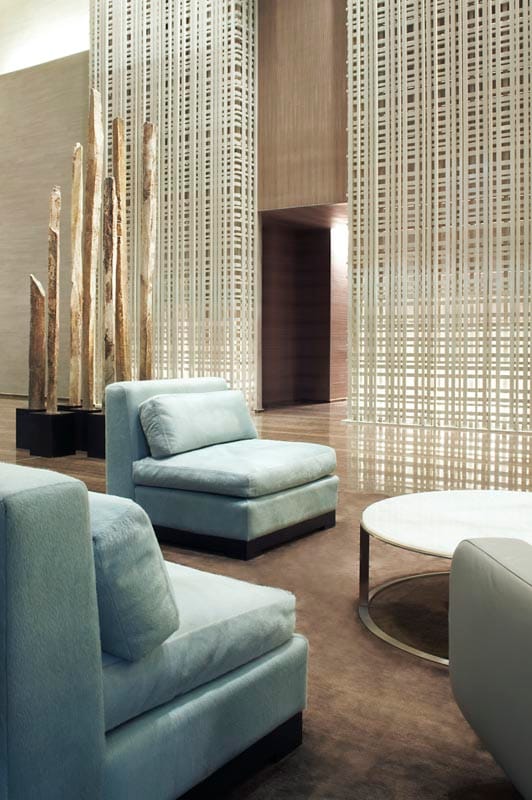
Interior Design in Kuala Lumpur: Commercial & Residential Innovation
Kuala Lumpur is a city of contrasts and layers—global yet local, vertical yet grounded, fast-paced yet culturally rooted. Interior design here is not about visual expression alone; it is about spatial intelligence. How space performs in response to climate, density, lifestyle, and economic pressure defines whether it succeeds or fails.
As a Kuala Lumpur interior design company, our firm approaches design as a strategic response to how the city lives, works, consumes, and rests. From Grade A office towers and lifestyle hotels to landed homes and high-rise apartments, interior design in Kuala Lumpur must balance efficiency, comfort, identity, and emotional resonance.
Understanding How Kuala Lumpur Lives, Works, and Experiences Space
Kuala Lumpur’s urban structure is shaped by high-density commercial cores, expanding mixed-use developments, and suburban landed housing zones. Areas such as KLCC, Bukit Bintang, Bangsar South, Damansara Heights, and Mont Kiara represent different spatial behaviours, yet all share common pressures: traffic, climate, time efficiency, and lifestyle aspiration.
The city’s economy is driven by:
-
Financial and professional services
-
Hospitality and tourism
-
Retail and lifestyle consumption
-
Regional corporate headquarters
Socially, Kuala Lumpur is communal and experience-oriented. People meet in malls, cafés, offices, club houses, and homes designed for gathering. Interior design must therefore support movement, interaction, and comfort—especially in a tropical climate where indoor environments play a crucial role.
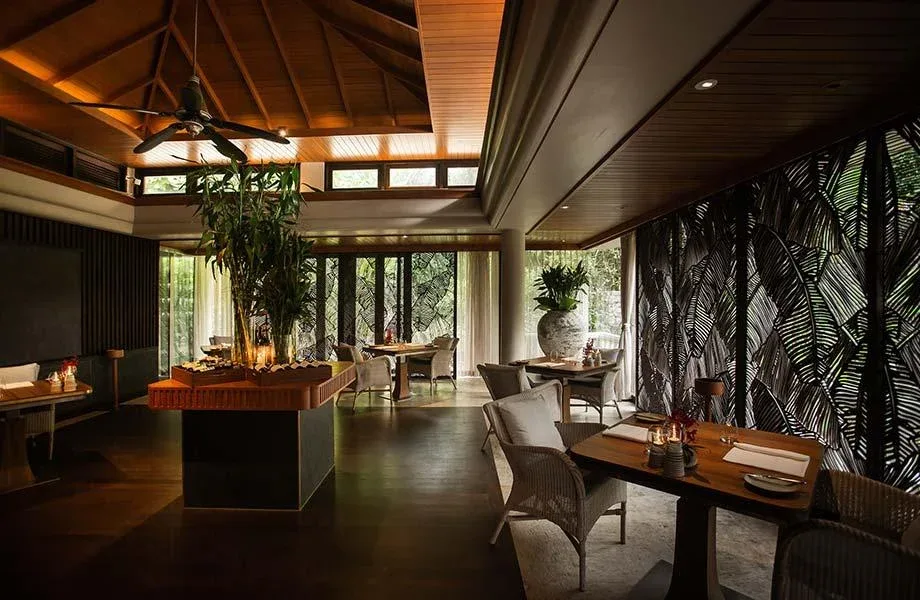
Designing Hotels that Reflect the Identity of Kuala Lumpur
Hospitality design in Kuala Lumpur is highly competitive. Hotels must appeal to international travellers, regional business guests, and local staycation culture—all with different expectations.
Effective hotel interior design responds through:
-
Guest journey mapping, from arrival to retreat
-
Climate-responsive layouts that manage heat and humidity
-
Cultural storytelling without pastiche—modern interpretations of Malaysian craft, texture, and rhythm
-
Operational efficiency for housekeeping, F&B, and back-of-house circulation
In Kuala Lumpur, hotels succeed when they feel locally grounded yet globally confident. Design becomes a strategic differentiator, shaping first impressions and long-term brand loyalty.
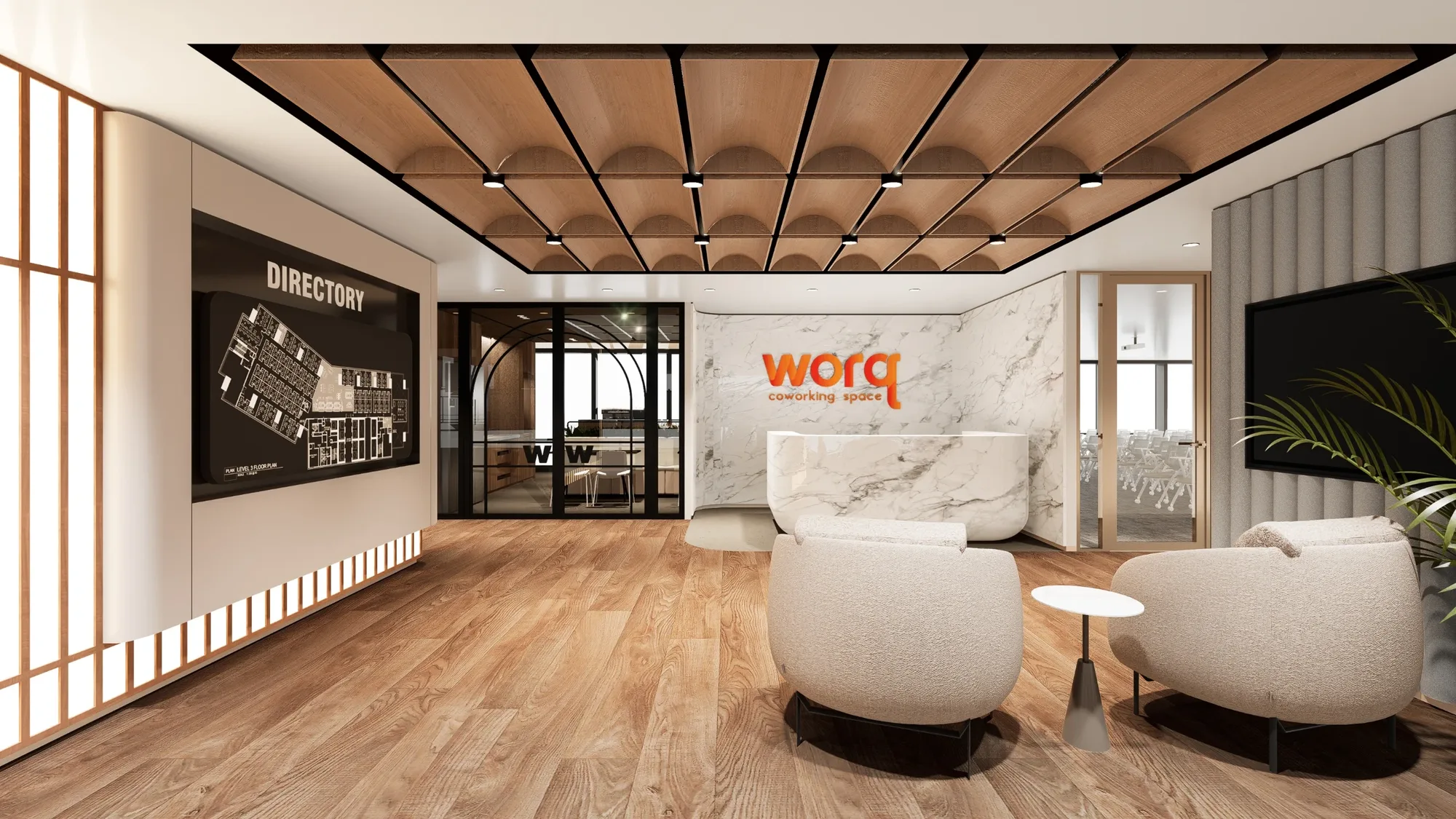
High-Performance Workplace Design in Kuala Lumpur
Office environments in Kuala Lumpur are evolving rapidly. Hybrid work, talent competition, and ESG considerations are reshaping how companies view space.
Workplace design must now:
-
Support flexibility without losing structure
-
Encourage collaboration while protecting focus
-
Address wellbeing in an urban, high-rise context
-
Integrate technology seamlessly
In a city where long commutes are common, offices must offer value beyond desks—kalau datang kerja, mesti berbaloi. Design strategies include neighbourhood-based layouts, acoustic zoning, biophilic integration, and smart space utilisation aligned with workforce behaviour.
Creating Social Destinations Through Restaurant and Club House Design
Kuala Lumpur’s dining and lifestyle culture is vibrant and highly social. Restaurants, cafés, and club houses compete not just on food or amenities, but on experience and atmosphere.
Successful F&B and social spaces are designed with:
-
Clear zoning for different moods and group sizes
-
Layered lighting to shift ambience from day to night
-
Acoustic control in dense urban environments
-
Strong spatial storytelling aligned with brand identity
In a city driven by Instagram culture and word-of-mouth, design directly influences visibility, dwell time, and repeat visits.
Designing Homes that Respond to the Way Kuala Lumpur Lives
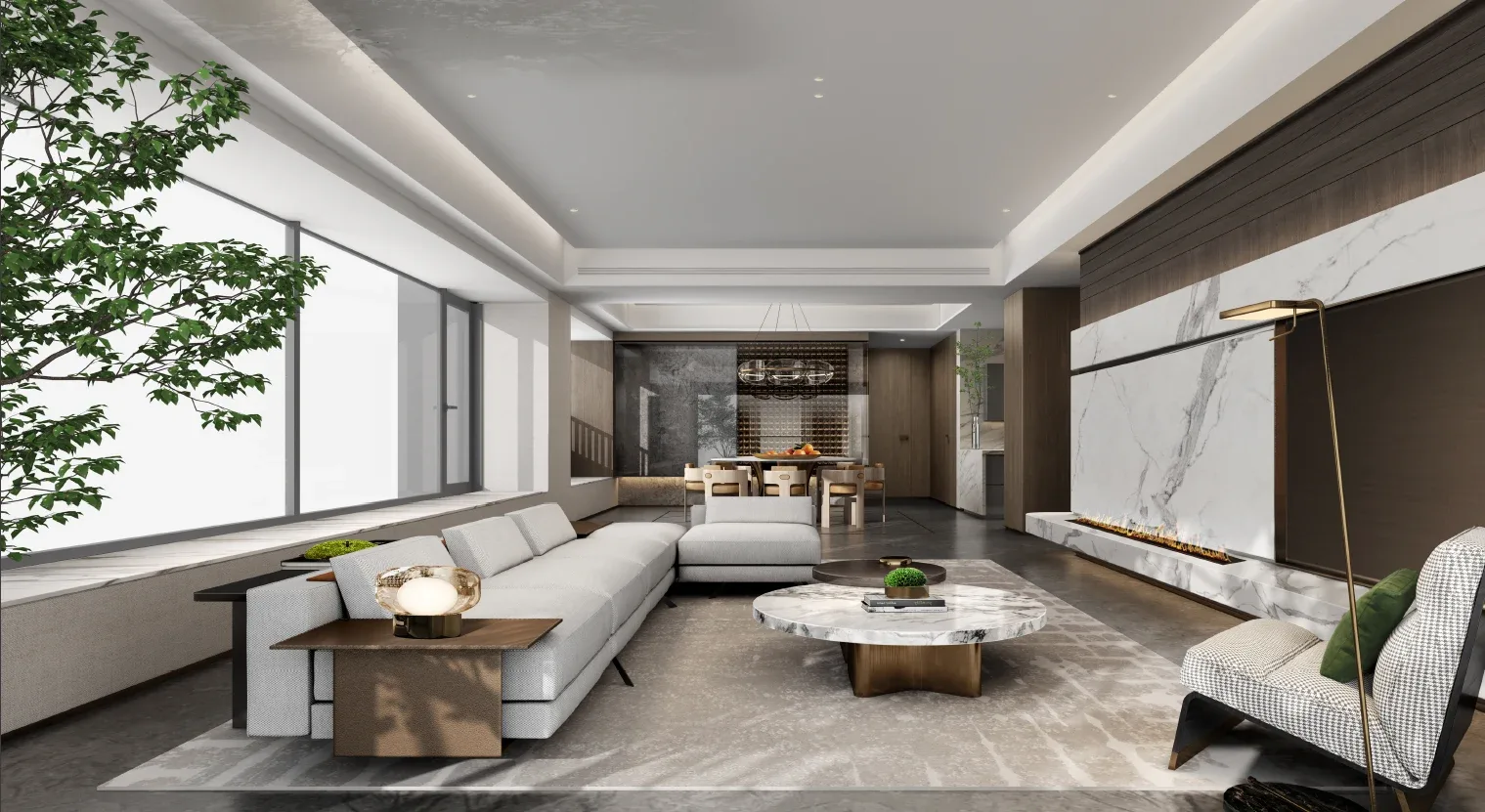
Residential design in Kuala Lumpur spans compact high-rise apartments and spacious landed homes. Each typology demands a different spatial logic.
Apartments
-
Optimised layouts for efficiency
-
Integrated storage and flexible furniture
-
Visual openness to counter limited floor area
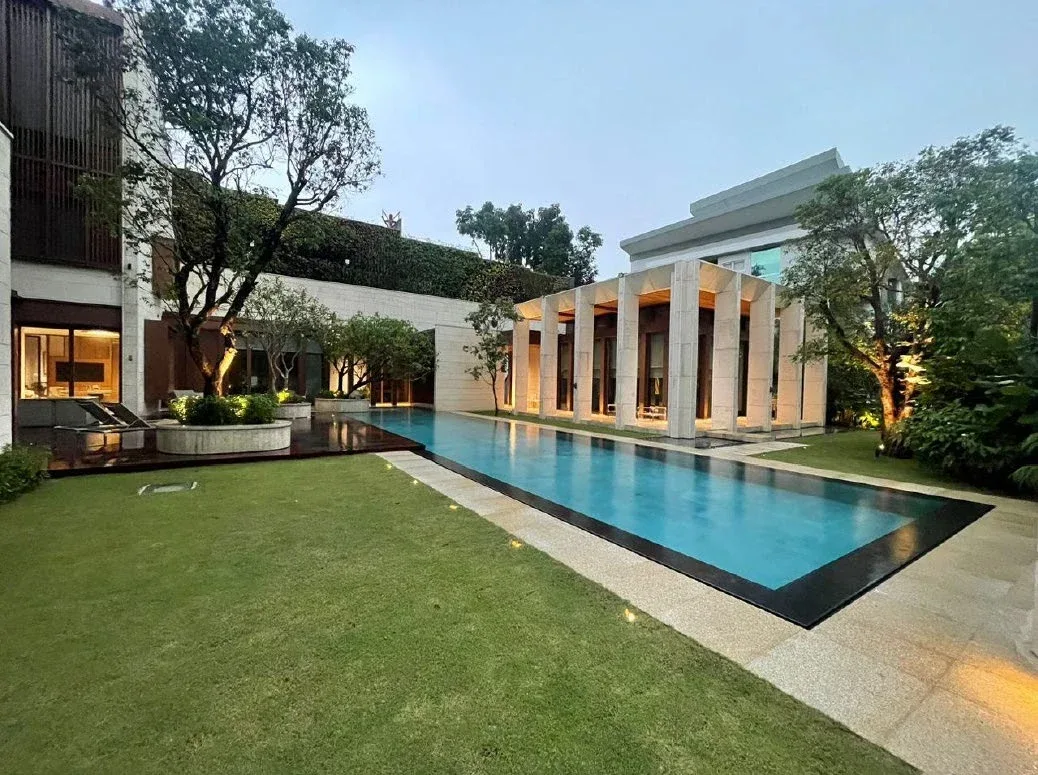
Landed Homes, Villas, and Bungalows
-
Zoning for multi-generational living
-
Clear separation between public and private areas
-
Indoor–outdoor relationships suited to tropical living
Across all residential types, privacy, comfort, and adaptability are essential. Smart home integration, passive cooling strategies, and material durability are no longer optional—they are expected.
Unique Interior Design Ideas We Implement
Interior design innovation in Kuala Lumpur must be contextual, not experimental for its own sake. Ideas work only when they align with real urban and cultural conditions.
Key strategies include:
-
Biophilic integration to counter urban density
-
Adaptive layouts that evolve with lifestyle and business needs
-
Layered lighting systems responding to time of day and function
-
Material contrast strategies balancing warmth and durability
-
Flexible zoning for hybrid work and living
-
Cultural-modern fusion, subtle and refined
-
Technology-enhanced environments that support, not dominate
Each idea is grounded in how people actually use space in Kuala Lumpur—not abstract global trends.
Why Interior Design in Kuala Lumpur Requires Local Intelligence
Design decisions here are shaped by:
-
Tropical climate and building orientation
-
Strata regulations and construction frameworks
-
Availability of materials and skilled trades
-
Commercial leasing expectations
-
Cultural norms around hospitality and privacy
A Kuala Lumpur interior design company must understand these realities deeply. Without local intelligence, even the most visually striking design risks underperforming.
Our Design Approach
Our firm follows a research-driven, decision-led process:
-
Urban & Site Analysis – understanding context, constraints, and opportunity
-
Concept & Spatial Strategy – aligning design intent with function and emotion
-
Visualisation & Detailing – testing ideas before execution
-
Technical Coordination – integrating consultants, contractors, and systems
-
Execution & Control – ensuring design intent translates into built reality
-
Styling & Handover – completing the spatial narrative
Design is treated as a sequence of informed decisions, not aesthetic reactions.
Transform Your Commercial or Residential Space in Kuala Lumpur
Interior design in Kuala Lumpur is no longer about surface beauty. It is about performance, experience, and long-term relevance.
As a Kuala Lumpur interior design company, our firm works at the intersection of culture, climate, economics, and human behaviour—crafting spaces that feel intuitive, grounded, and future-ready.
Whether shaping a workplace, hotel, restaurant, or home, design succeeds when it responds intelligently to the city it serves.
If you are exploring how your space can perform better—commercially, emotionally, or experientially—then a strategic conversation is the right place to begin.
Connect with us in