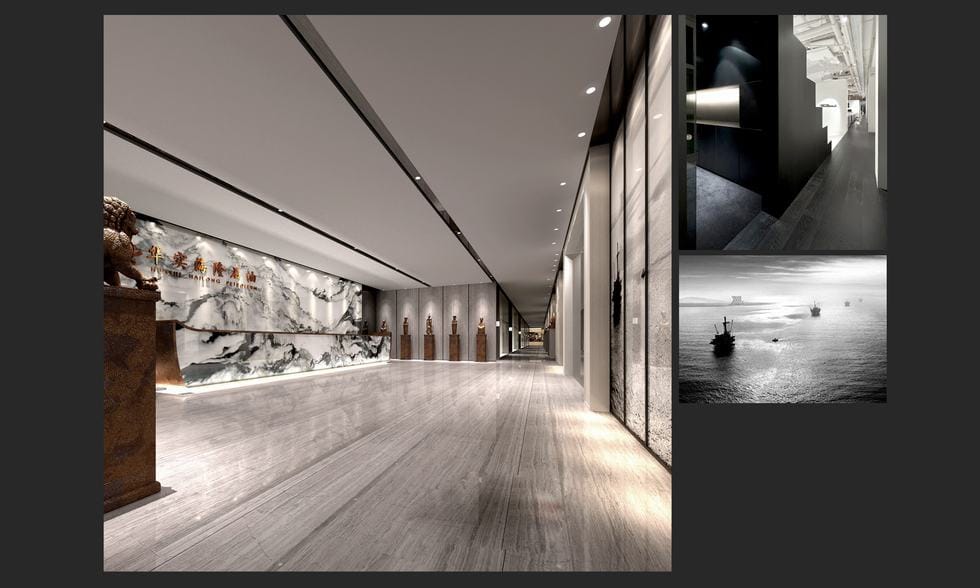
Kuala Lumpur Interior Design: Designing Iconic Hospitality Experiences
Kuala Lumpur is a city where cultures intersect, skylines evolve, and hospitality thrives. From luxury hotels in KLCC to boutique stays in Bukit Bintang and Bangsar, the city’s hospitality landscape is increasingly competitive and design-driven. Guests today are no longer just looking for accommodation—they are seeking experiences that feel meaningful, memorable, and distinctly local.Interior Design Kuala Lumpur
In this context, Kuala Lumpur Interior design becomes a powerful tool to shape perception, emotion, and long-term value. As a designer devoted to crafting people-centric environments, I see every hotel as a living narrative—cerita ruang (a story told through space)—where every detail contributes to the guest journey.
Understanding Kuala Lumpur’s Hospitality Landscape
Kuala Lumpur’s position as a regional hub for tourism and business travel continues to shape its hospitality industry.
Key factors influencing hotel design include:
- Strong tourism flows, driven by shopping, culture, and international events
- Growing business travel demand, especially around KL Sentral and TRX (Tun Razak Exchange)
- High competition among hotels, from global luxury brands to lifestyle boutique concepts
- Tropical climate, requiring thoughtful responses to heat, humidity, and rainfall
- Rich cultural identity, blending Malay, Chinese, and Indian influences
In such a dynamic environment, hotels must differentiate themselves not just through service, but through design experiences that resonate deeply with guests.
Beyond Aesthetics: The Foundation of Iconic Hotel Design
Creating iconic hospitality environments starts with a clear and compelling design concept. This concept acts as the foundation, guiding every decision—from spatial layout to material selection.
A strong concept integrates:
- Brand identity, ensuring the hotel stands out in a crowded market
- Storytelling, creating a narrative guests can feel and remember
- Guest expectations, aligning with the needs of modern travelers
In Kuala Lumpur, this often means blending global sophistication with local authenticity—rasa tempatan dengan sentuhan moden (local essence with a modern touch).
Designing the Guest Journey
An exceptional hotel experience is carefully choreographed. Every touchpoint, from arrival to departure, must feel seamless and intentional.
Arrival & Entrance Experience
The entrance sets the tone. A grand yet welcoming arrival creates anticipation and establishes the hotel’s identity.
Lobby & Reception Flow
The lobby is the heart of the hotel—a space for gathering, waiting, and first impressions. Clear circulation and intuitive reception layouts ensure a smooth check-in experience while maintaining visual impact.
Guest Rooms
Rooms must balance comfort, functionality, and emotional warmth. Layout, lighting, and material choices all contribute to a restful and memorable stay.
Dining & Social Spaces
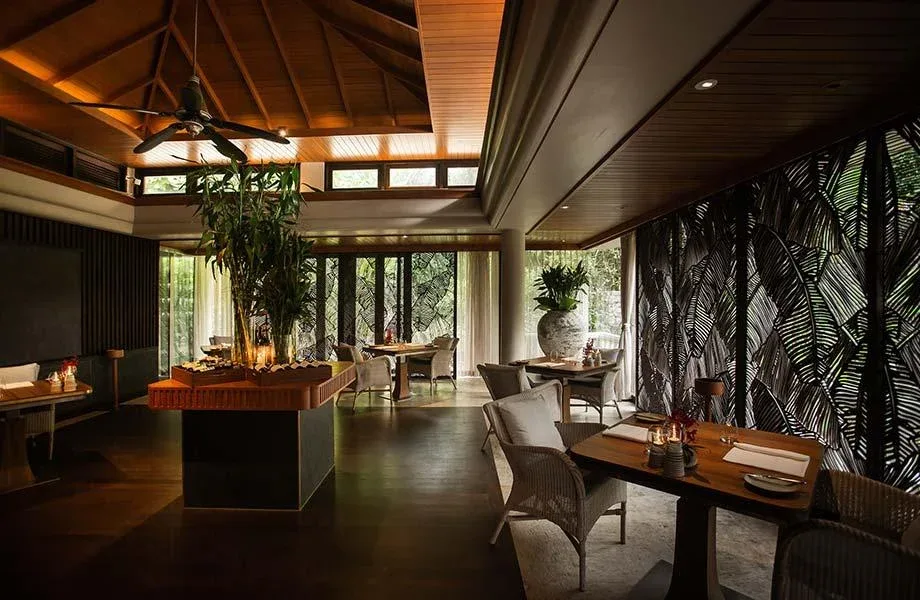
Restaurants, bars, and lounges are no longer secondary—they are destinations in themselves. In Kuala Lumpur, where food culture is central, these spaces must feel vibrant, immersive, and inviting.
Spatial Planning, Zoning & Flow
Behind every beautiful hotel is a well-planned spatial strategy.
- Zoning ensures clear separation between public, semi-private, and private areas
- Circulation flow allows guests and staff to move efficiently without disruption
- Back-of-house planning supports operational efficiency
Thoughtful planning enhances both guest comfort and service performance—aliran lancar, pengalaman tenang (smooth flow, calm experience).
Crafting Atmosphere Through Design Elements
Iconic hotel interiors are defined by how they feel—not just how they look.
Lighting Strategy
Layered lighting creates depth and mood:
- Ambient lighting for warmth
- Accent lighting for focal points
- Task lighting for functionality
Material Selection
Materials tell a story. In Kuala Lumpur, designers often combine natural textures like wood and stone with refined finishes to create a balance between luxury and authenticity.
Tactile & Sensory Experience
Soft fabrics, textured surfaces, and subtle scents create a multi-sensory environment that guests remember long after their stay.
Acoustic Comfort
Sound plays a crucial role in hospitality. Managing acoustics ensures that spaces feel lively yet آرام and comfortable.
Creating Signature Moments
To stand out in a competitive market, hotels must offer memorable design features.
- Sculptural installations in lobbies
- Dramatic staircases or lighting features
- Instagrammable corners that encourage social sharing
These elements become visual anchors—moments that guests photograph, share, and associate with the brand.
Balancing Creativity with Practicality
While creativity drives design, practicality ensures long-term success.
Designers must consider:
- Durability of materials in high-traffic areas
- Ease of maintenance for operational efficiency
- Staff workflow and service routes
- Sustainability and long-term performance
A successful hotel design is one that continues to perform beautifully over time—cantik dan tahan lama (beautiful and lasting).
Technology & Flexibility in Modern Hospitality
Today’s hotels must adapt to changing guest expectations.
- Smart room controls for personalized comfort
- Digital check-in and integrated systems
- Flexible spaces that can host events, work, or leisure activities
Technology enhances convenience while supporting a seamless guest experience.
Embedding Culture into Design
One of the most powerful ways to create an iconic hotel is by embedding local identity into the design.
In Kuala Lumpur, this could mean:
- Incorporating local materials and craftsmanship
- Drawing inspiration from traditional patterns and motifs
- Reflecting the city’s cultural diversity through art and spatial storytelling
This approach ensures authenticity—creating spaces that feel rooted in place while maintaining global standards of luxury.
Design as a Driver of Business Success
Strategic design decisions lead to measurable outcomes:
- Higher guest satisfaction and reviews
- Stronger brand positioning and recognition
- Increased occupancy rates and repeat bookings
- Enhanced long-term value and ROI
In Kuala Lumpur’s competitive hospitality market, design becomes a key differentiator—one that directly impacts performance.
A Strategic Partner in Hospitality Design
At our firm, we believe that great hotel design is both an art and a strategy. From concept development and guest journey mapping to spatial planning, technical detailing, and final execution, we guide each project with precision and care.
With expertise in Kuala Lumpur Interior design, we create hospitality environments that are immersive, functional, and deeply connected to place.
Because an iconic hotel is not just seen—it is felt, remembered, and shared.
It becomes a destination in itself—tempat yang sentiasa diingati (a place always remembered).
Connect with us in