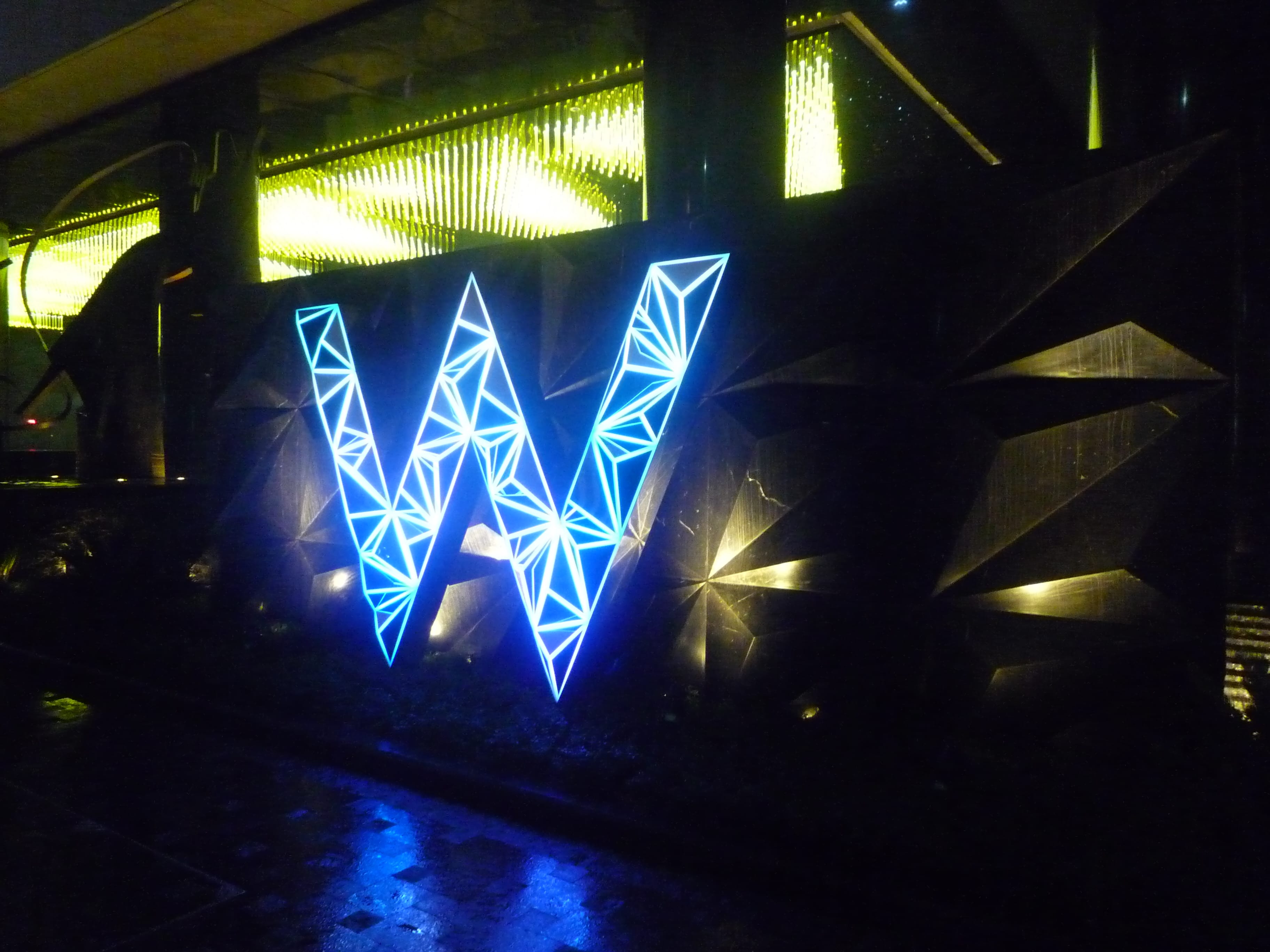
Kuala Lumpur Hotel Interior Design — Crafting Luxury Hospitality Experiences that Stand Out
Kuala Lumpur is a city where cultures intersect and hospitality constantly evolves. From the cosmopolitan energy of Bukit Bintang to the corporate rhythm of KLCC and the heritage streets of Chinatown, the Malaysian capital attracts a diverse mix of global business travellers, regional tourists and luxury lifestyle seekers.Hotel Interior Design Kuala Lumpur
For hotels, this diversity creates both opportunity and pressure. Travellers today expect more than comfortable accommodation—they look for memorable experiences, distinctive design identity and emotional connection with place. This is where Kuala Lumpur Hotel Interior Design becomes more than aesthetics; it becomes a strategic tool that shapes how guests perceive a brand from the moment they walk through the door.
As hospitality interior designers who focus on emotional, people-centred environments, our firm approaches hotel spaces as living narratives. Each lobby, guest room, lounge and restaurant is designed to reflect Kuala Lumpur’s dynamic personality—mesra, vibrant dan moden (welcoming, vibrant and modern)—while delivering operational efficiency for long-term business success.
Understanding Kuala Lumpur’s Hospitality Landscape
Kuala Lumpur’s tourism industry continues to grow as Malaysia strengthens its position as a regional travel hub. The city hosts a broad hospitality spectrum—from luxury international brands around KLCC and Jalan Ampang, to lifestyle boutique hotels in Bangsar and heritage-inspired properties near Petaling Street.
Several factors shape hospitality design in the city:
1. Diverse Traveller Demographics
Kuala Lumpur receives a mix of ASEAN travellers, Middle Eastern families, Chinese tourists, and Western business professionals. Hotels must therefore create environments that feel globally refined yet locally authentic.
2. Strong Business Travel Market
Corporate travel remains strong around KLCC, Tun Razak Exchange (TRX) and Mid Valley City, driving demand for urban business hotels with elegant yet functional design.
3. Competitive Luxury Segment
International brands such as those around KLCC have elevated expectations for premium hospitality experiences. Design must differentiate properties through storytelling rather than purely opulence.
4. Tropical Climate Considerations
Malaysia’s warm, humid climate influences material selection, airflow planning and lighting strategies. Interiors must feel cool, breathable and comfortable throughout the year.
These realities shape how Kuala Lumpur Hotel Interior Design should respond—through design strategies that balance atmosphere, culture and operational performance.
Designing Iconic Hotel Lobbies: The First Emotional Connection
The lobby is the emotional gateway of a hotel. It is where guests transition from the fast pace of Kuala Lumpur’s streets into a curated world of hospitality.
In our approach, lobby spaces are designed as layered social environments rather than simple reception halls. Modern luxury hotels increasingly incorporate:
-
Arrival sequences that guide guests through calming transitions.
-
Flexible seating clusters encouraging informal meetings.
-
Integrated café or lounge spaces supporting social interaction.
In Kuala Lumpur, design storytelling often draws inspiration from Malaysian heritage. Subtle motifs inspired by songket textiles, natural rattan textures, or carved timber elements can introduce cultural authenticity without becoming overly thematic.
Lighting plays an equally critical role. Warm ambient illumination paired with dramatic feature lighting creates a welcoming atmosphere—rasa tenang (a sense of calm)—which travellers often crave after long flights.
When executed correctly, the lobby becomes more than a waiting space; it becomes the social heart of the hotel.
Guest Room Design: Where Comfort Meets Identity
Guest rooms are where hotel brands build lasting impressions. Today’s travellers expect spaces that are comfortable, technologically intuitive and emotionally calming.
Effective Kuala Lumpur Hotel Interior Design considers both international expectations and local cultural sensitivity.
Key design strategies include:
Spatial Efficiency
Urban hotel developments often operate within compact footprints. Smart spatial planning ensures every square metre contributes to comfort and functionality.
Natural Material Integration
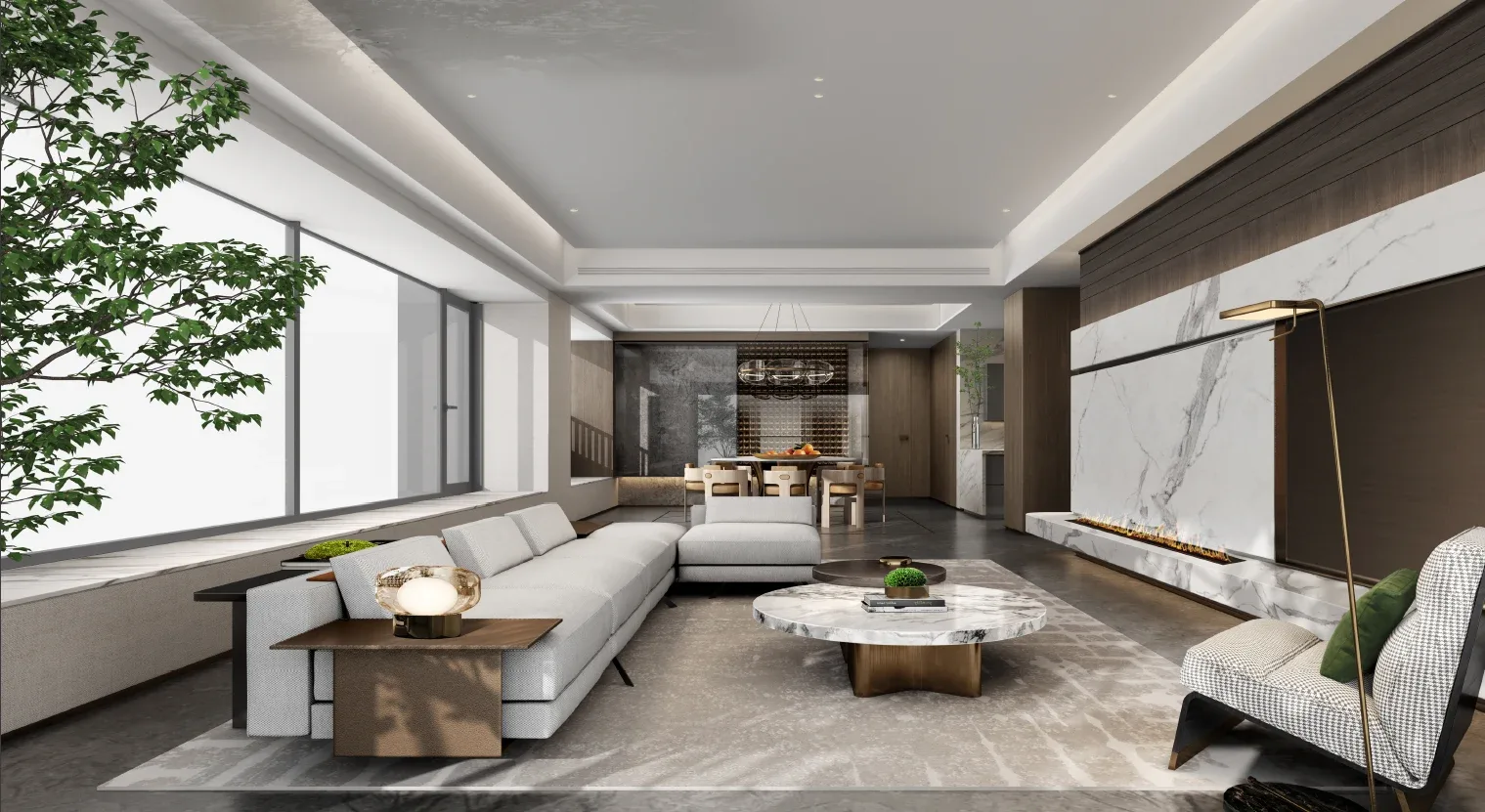
Wood tones, stone textures and soft textiles introduce warmth while reflecting Southeast Asia’s natural aesthetic.
Lighting Layers
Multiple lighting options—from ambient ceiling lighting to bedside task lamps—allow guests to personalise their environment.
Digital Connectivity
Business travellers require seamless device charging, high-speed connectivity and ergonomic workspaces.
The most successful guest rooms balance quiet luxury with understated elegance. Instead of overwhelming décor, carefully curated materials and subtle craftsmanship create environments that feel timeless.
Food & Beverage Spaces: Where Hospitality Meets Lifestyle
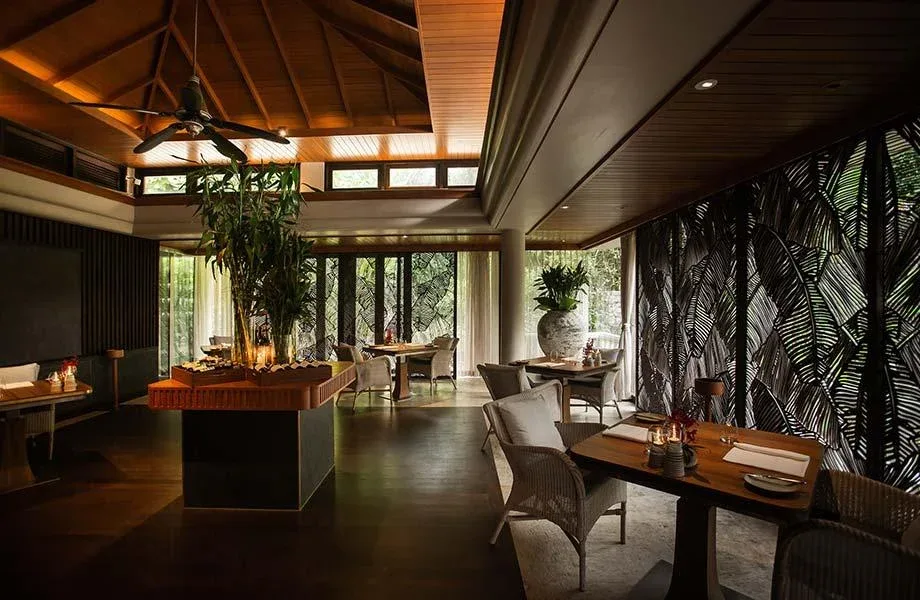
In Kuala Lumpur, hotel restaurants and lounges often become independent social destinations. Locals frequently visit hotel dining venues for business lunches, weekend brunches or evening gatherings.
This means hospitality design must consider both hotel guests and the wider urban community.
Design elements often include:
-
Open kitchens or chef interaction zones
-
Indoor-outdoor seating responding to tropical climate
-
Layered lighting for day-to-night ambience
-
Distinctive feature bars as visual anchors
For example, a restaurant overlooking KLCC may highlight skyline views through floor-to-ceiling glazing, while a boutique hotel in Bangsar may emphasise cosy neighbourhood café culture.
As designers, our firm approaches restaurant environments with emotional sensitivity—understanding how colours, textures and acoustics influence dining experiences. The goal is simple: create spaces where people naturally linger.
Wellness, Leisure and Lifestyle Spaces
Luxury hospitality increasingly revolves around wellness. Travellers seek relaxation, recovery and mental clarity during their stay.
Modern hotel interior strategies in Kuala Lumpur therefore integrate:
-
Spa and wellness suites
-
Poolside lounges
-
Fitness centres with natural daylight
-
Meditation or relaxation rooms
Designing these environments requires careful attention to acoustics, lighting softness and tactile materials. Natural elements such as stone, timber and indoor greenery create tranquil atmospheres aligned with wellness principles.
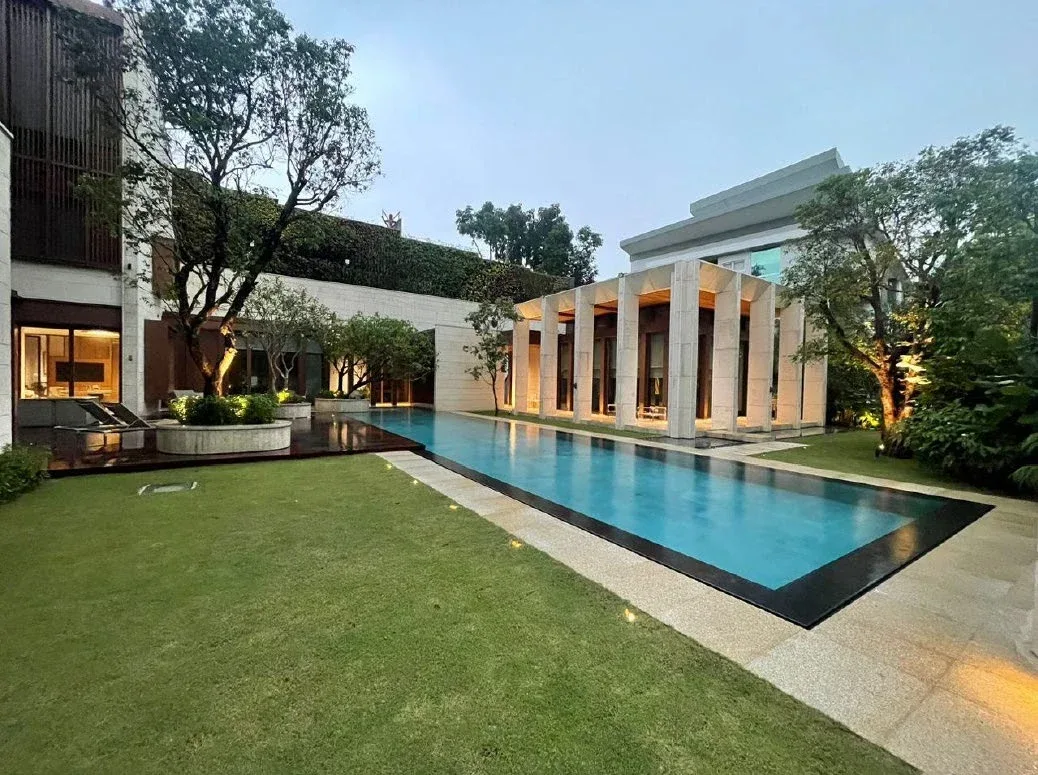
In tropical cities like Kuala Lumpur, integrating outdoor spaces—such as shaded terraces or rooftop gardens—adds unique lifestyle value while responding to climate conditions.
Cultural Storytelling Through Design
Luxury hotel interiors must communicate a sense of place. Without cultural grounding, spaces risk feeling generic.
In Kuala Lumpur, subtle cultural storytelling can be expressed through:
-
Malaysian craft techniques
-
Contemporary interpretations of traditional patterns
-
Art installations from local artists
-
Natural materials reflecting regional landscapes
The goal is not imitation but reinterpretation—sentuhan budaya (a cultural touch) expressed through modern design language.
This approach allows hotels to celebrate Malaysia’s identity while maintaining international luxury standards.
Operational Efficiency Behind the Scenes
Great hospitality design must also support operational efficiency.
Behind every beautiful guest space lies careful planning of service circulation, housekeeping logistics and back-of-house infrastructure. Kitchen workflow, storage areas and staff routes must be integrated seamlessly into the design.
Our firm approaches hotel projects with a design-and-build perspective, ensuring that creative ideas remain practical during construction. From concept development to final installation, coordination between designers, engineers and contractors ensures that the project is delivered efficiently and reliably.
This balance between creativity and technical execution is what defines the Best Hotel Design Company in Kuala Lumpur—not extravagant promises, but thoughtful systems and disciplined project management.
Designing Different Hospitality Concepts
Kuala Lumpur’s hospitality market supports diverse hotel formats. Each requires a tailored design approach.
Boutique Hotels
Often located in heritage areas like Chinatown or Jalan Sultan. Design emphasises character, storytelling and intimate atmospheres.
Luxury Urban Hotels
Typically positioned around KLCC or TRX. Interiors combine prestige, sophistication and high-end materials.
Business Hotels
Located near corporate hubs such as Mid Valley or Bangsar South. Design focuses on efficiency, meeting spaces and professional ambience.
Lifestyle Hotels
Popular among younger travellers seeking vibrant social environments and Instagram-worthy spaces.
Each concept requires unique spatial planning, guest journey mapping and brand identity development.
Crafting Hotels that Elevate Brand Value
Hospitality design ultimately influences more than aesthetics—it shapes how guests remember a destination.
When executed thoughtfully, Kuala Lumpur Hotel Interior Design becomes a powerful business strategy. It strengthens brand identity, encourages repeat visits and enhances guest satisfaction.
For hotel developers, this translates into stronger occupancy rates, improved guest reviews and long-term asset value.
Our firm approaches every hospitality project with this mindset: creating environments that feel emotionally meaningful while supporting operational excellence.
Because in a city as vibrant as Kuala Lumpur, the most successful hotels are not just places to stay—they are experiences guests carry with them long after checkout.
Selamat datang ke Kuala Lumpur—welcome to a city where design, culture and hospitality meet.
Connect with us in