Kuala Lumpur Retail Interior Design: Luxury Retail & Brand Experience Design
Kuala Lumpur, a dynamic fusion of cultures, commerce, and innovation, is one of Southeast Asia’s most exciting retail markets. From the bustling luxury malls of Bukit Bintang to the more eclectic and boutique-style experiences in Bangsar, the city’s retail landscape is fast evolving. As a professional retail interior designer, I’ve seen firsthand how Kuala Lumpur Retail Interior Design transforms shopping spaces into high-conversion destinations that engage customers, enhance brand experiences, and drive business growth.
In a market where competition is fierce, and consumers are more discerning than ever, retail design has become a strategic tool that goes beyond visual appeal—it’s about creating immersive experiences that attract, engage, and convert.
Understanding Kuala Lumpur’s Retail Landscape
Kuala Lumpur is a city that thrives on high-traffic retail hubs, with a mix of luxury brands, mid-range offerings, and lifestyle retail spaces catering to diverse customer segments.
Key Characteristics of Kuala Lumpur’s Retail Environment:
Shopping malls are a major part of the retail scene, with luxury malls like Pavilion KL, Suria KLCC, and The Gardens Mall attracting both local shoppers and international tourists.
High street vs lifestyle retail trends: While traditional shopping areas like Jalan Bukit Bintang are busy with both high-street and luxury offerings, there’s a noticeable shift towards experiential retail in areas like Bangsar and Mont Kiara, where lifestyle stores are increasingly becoming social spaces.
Consumer demographics: The city’s middle class is growing, leading to a demand for affordable luxury and premium experiences that combine shopping with leisure.
Tourism influence: With millions of tourists flocking to the city annually, retail spaces cater not only to local customers but also to international visitors seeking unique, branded experiences.
Digital competition: E-commerce continues to challenge traditional retail, pushing physical stores to differentiate themselves with experiential environments that online shopping cannot replicate.
As the retail landscape continues to mature, businesses are increasingly recognizing that retail interior design is critical in creating spaces that resonate deeply with consumers, creating a unique emotional connection that drives higher engagement and sales.
Luxury Retail Interior Design: Creating Brand Experiences
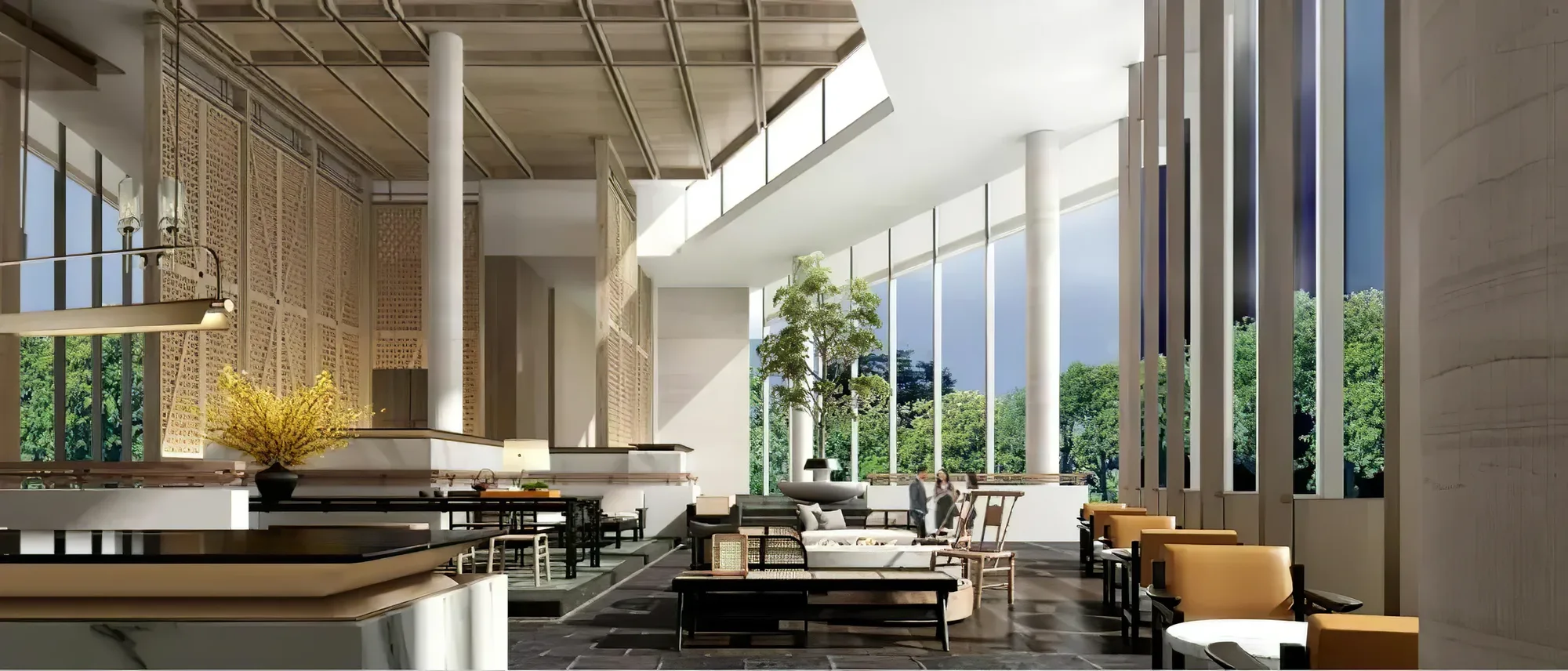
When it comes to luxury retail interior design, every element of the store— from the storefront visibility to the sensory experiences—must align with the brand’s core values and create an environment that is both inviting and aspirational.
Here are some key design strategies that can transform a retail space into a high-traffic, high-conversion environment:
1. Storefront Visibility & Window Display Concepts
In a city like Kuala Lumpur, where retail spaces are often tightly packed, the storefront must immediately draw attention. Bold, dynamic window displays that tell a story or highlight signature products can engage passersby and prompt them to enter.
2. Customer Journey Planning & Zoning Strategy
The design of the customer journey is crucial. Effective zoning allows customers to seamlessly flow through the store, from an engaging entrance zone to discovery spaces and product highlights. Clear sightlines and intuitive layouts make it easier for shoppers to explore and interact with products, increasing dwell time and engagement.
3. Product Display Hierarchy
Designing for product visibility through hierarchy ensures that high-demand products are prominently featured while creating areas for exclusive collections. In luxury stores, carefully curated displays should evoke an emotional connection with the consumer.
4. Lighting Design
Lighting plays a pivotal role in retail design, particularly in luxury environments. Soft, well-placed ambient lighting can create an intimate, inviting atmosphere, while accent lighting highlights key products, enhancing their appeal. In Kuala Lumpur’s tropical climate, natural light is also an essential element, enhancing the overall sensory experience and connecting customers with the brand.
5. Material Selection & Sensory Engagement
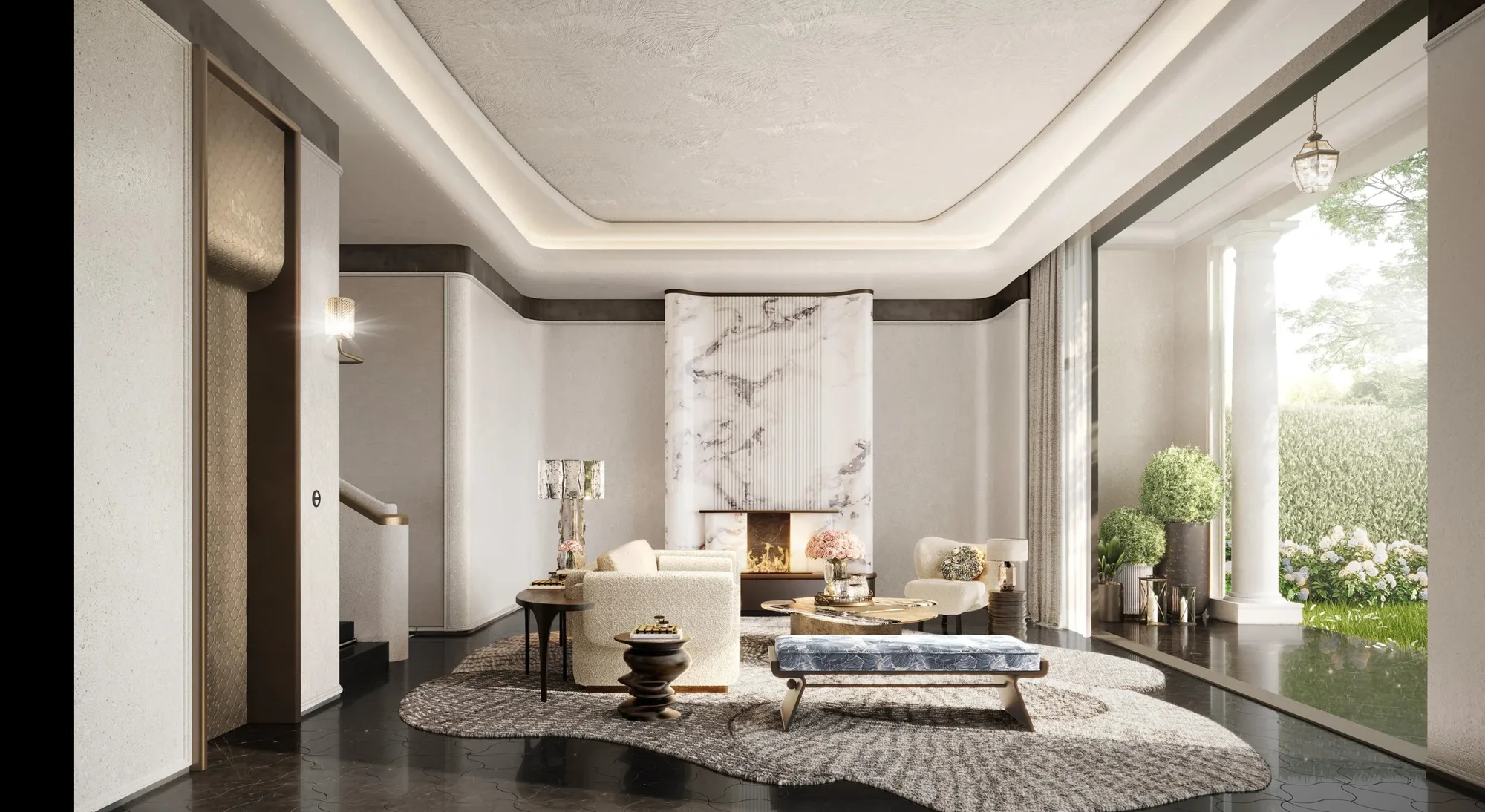
Luxury brands often incorporate high-end materials like marble, brass, and bespoke woodwork into their stores to convey refinement. Tactile textures and finishes encourage customers to interact with products, creating a multi-sensory experience that extends beyond visual appeal.
6. Immersive Brand Storytelling
Successful retail design must reflect the brand identity through every design choice. By weaving brand stories into the design—whether through murals, visual displays, or curated artwork—stores become destinations, not just shopping locations. This is particularly important in Kuala Lumpur, where Instagrammable moments in-store are crucial for enhancing brand visibility on social media.
Creating High-Traffic Retail Environments: The Role of Experiential Design
In Kuala Lumpur, where competition is fierce, experiential retail is essential for differentiating a store from the competition. Retail spaces should provide immersive experiences that encourage customers to stay longer, interact more, and ultimately increase conversion rates. Here’s how:
Instagrammable Moments: Creating photogenic elements such as striking displays, unique design features, or art installations ensures customers take photos, boosting both engagement and free brand marketing through social media.
Interactive Technology: Incorporating interactive digital screens, virtual try-ons, and augmented reality allows customers to experience the brand in new, innovative ways.
Ambience & Mood: Whether through scent, sound, or visual cues, an emotional connection is formed when a customer is immersed in an atmosphere that aligns with the brand’s narrative.
Omnichannel Integration & Long-Term Sustainability
As e-commerce continues to influence the retail environment, stores must be omnichannel ready, integrating both physical and digital shopping experiences. Seamless integration between online inventory, click-and-collect services, and in-store experiences allows customers to transition effortlessly between the digital and physical world.
Additionally, sustainability is becoming a top priority for both consumers and brands. Choosing durable, sustainable materials that can withstand the wear and tear of a high-traffic environment, coupled with a focus on maintenance and operational efficiency, ensures the store remains functional and appealing for the long term.
The Business Impact of Luxury Retail Design
At the end of the day, retail interior design is a tool for driving business results. Through the strategic implementation of the design strategies outlined above, stores can expect:
Increased footfall, driven by a compelling store experience.
Improved conversion rates, thanks to a clear, intuitive customer journey.
Enhanced brand recognition through immersive design elements that reflect brand identity.
Greater customer loyalty, encouraged by emotional connections and memorable experiences.
These outcomes ultimately lead to a stronger market position and higher sales performance.
Partnering for Success in Kuala Lumpur Retail Interior Design
At our firm, we specialize in crafting high-impact, brand-driven retail spaces that not only attract customers but also elevate their shopping experience. From concept development and brand translation to spatial planning, visualization, and final execution, we guide every project to ensure it delivers the business outcomes our clients expect.
Whether designing a luxury flagship store in Pavilion KL, a lifestyle concept in Bangsar, or an immersive retail experience in Suria KLCC, our approach ensures every project resonates with customers and stands out in the competitive Kuala Lumpur market.
Connect with us in