Articles

Interior Design Kuala Lumpur – What’s Shaping the Office ?

What’s Shaping the Future of Office Design? Insights from a Leading Interior Design Kuala Lumpur Firm

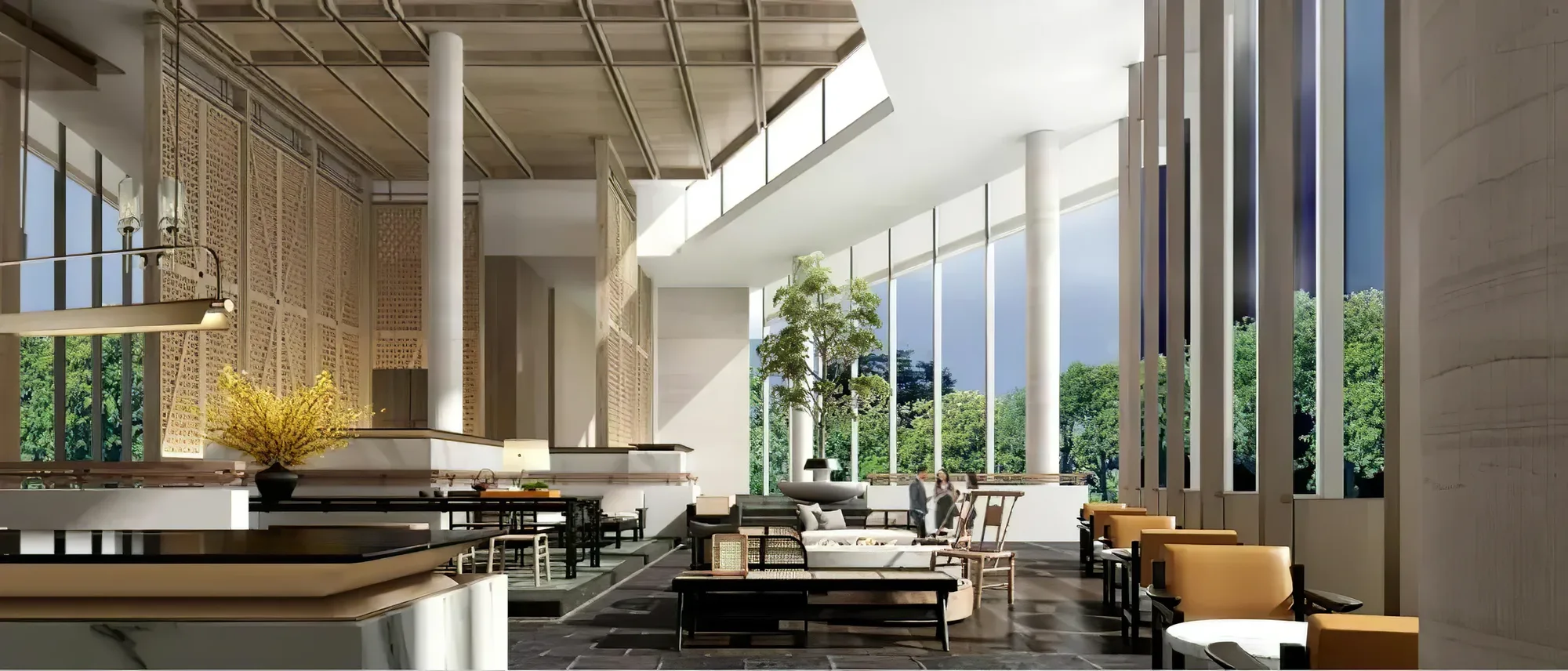
In the heart of Malaysia’s bustling capital, where Petronas Towers pierce the sky and innovation pulses through the streets of Bangsar, KLCC, and Mont Kiara, Interior Design Kuala Lumpur is redefining what it means to create a modern workplace.

As a creative interior designer with over two decades of experience crafting emotional, people-centric office and retail environments, I’ve had the privilege of guiding businesses—from agile startups in Publika to multinational corporations in Tun Razak Exchange—through their most transformative office projects.

The future of office design isn’t just about aesthetics or efficiency. It’s about intention. It’s about understanding how people work, how they connect, and how they thrive.

At our firm, we’ve distilled years of experience into a clear vision of what’s shaping the future of the workplace—and how businesses in Kuala Lumpur can lead the way.


1. Emotional Intelligence Is the New Blueprint

Gone are the days when office design was driven solely by function. Today’s most successful spaces are built on empathy.

We begin every Interior Design Kuala Lumpur project with a simple question: How do you want your team to feel when they walk in?

For a tech firm in Cyberjaya, we designed an open-plan office with quiet pods, warm wood finishes, and soft lighting inspired by traditional Malay rumah pangsa architecture. The result? A space that felt both innovative and comforting—where employees reported higher focus and lower stress.

This emotional layer—rasa selesa (feeling comfortable), semangat kerja (work spirit)—is what turns a generic office into a true home for productivity and well-being.


2. Flexibility Over Formality: The Rise of Activity-Based Working

Malaysian work culture is evolving. With hybrid models now standard, employees no longer expect a fixed desk—they expect a choice.

That’s why we champion activity-based working (ABW) in our designs:

  • Focus zones for deep work, soundproofed and distraction-free
  • Collaboration hubs with modular furniture and integrated tech
  • Social lounges styled like local kopi tiam corners for casual chats
  • Wellness nooks with greenery and natural light for mental reset

In a recent project for a fintech company in Bangsar South, we introduced mobile desks, foldable partitions, and QR code booking systems—giving teams the freedom to choose where and how they work.

Because when your office adapts to your people, your people perform at their best.


3. Sustainability as Standard Practice

In a tropical climate like Malaysia’s, sustainability isn’t optional—it’s essential.

From energy consumption to material sourcing, our Interior Design Kuala Lumpur approach integrates eco-conscious choices without compromising on luxury or function.

We prioritize:

  • Locally sourced timber and bamboo from Perak and Pahang to reduce carbon footprint
  • Low-VOC paints and natural finishes for healthier indoor air quality
  • Passive cooling strategies like cross-ventilation and thermal insulation
  • Energy-efficient LED lighting with motion sensors to reduce waste

For a retail brand expanding into Pavilion Kuala Lumpur, we incorporated recycled glass countertops and a living green wall irrigated by rainwater—a subtle yet powerful statement of environmental responsibility.

And in today’s market, where consumers and employees alike value hijau (green) values, that matters more than ever.


4. Cultural Identity Meets Global Standards

One of the most rewarding aspects of working in Interior Design Kuala Lumpur is the opportunity to blend Malaysia’s rich cultural heritage with modern, global design language.

We don’t just add batik patterns or wood carvings as decoration—we reinterpret them as functional design elements.

For example:

  • A law firm in KLCC wanted to reflect its Malaysian roots. We designed reception screens using ukiran (traditional wood carving) motifs in sleek metal finishes.
  • A café-style office in Damansara Heights featured seating inspired by kotak pandan (woven pandan boxes), reimagined in durable, contemporary materials.

These details do more than beautify—they build pride, belonging, and brand authenticity.


5. A Smarter Timeline: From Concept to Completion

One of the biggest challenges in office transformation is timing. A delayed project means lost productivity, frustrated teams, and unexpected costs.

That’s why at our firm, we’ve refined the entire process into a clear, predictable timeline—based on years of experience with Kuala Lumpur’s unique business rhythms and building regulations.

Our 3-Stage Approach:

Stage 1: Planning (4–8 weeks)

  • Budgeting and design brief development
  • Client workshops to understand workflow and culture
  • Selection of materials, finishes, and technology
  • Finalization of 3D visuals and construction drawings

We believe a strong foundation prevents delays later—especially when navigating approvals from local management or landlords.

Stage 2: Renovation (6–12 weeks)

  • Site preparation and demolition
  • MEP (mechanical, electrical, plumbing) upgrades
  • Carpentry, flooring, and painting
  • Smart system installations (lighting, AV, access control)

We coordinate closely with contractors and building managers to ensure minimal disruption—especially important in high-rise offices where cargo lift access and noise hours are tightly regulated.

Stage 3: Handover & Support (2–4 weeks)

  • Final inspections and defect rectification
  • Delivery of keys, remotes, and user manuals
  • Staff training on new systems and furniture
  • Post-move-in support for 3–6 months

This end-to-end service ensures a seamless transition—so you can focus on your business, not logistics.


6. Technology That Serves, Not Dominates

The future office is smart—but it shouldn’t feel cold.

We integrate technology in ways that enhance, not overwhelm:

  • Interactive whiteboards in meeting rooms for hybrid collaboration
  • App-based room booking systems to reduce scheduling conflicts
  • Circadian lighting that mimics natural daylight to support well-being
  • Voice-controlled environments for accessibility and ease

But we always balance this with warmth—soft textures, natural materials, and human-centered layouts—so the space feels intelligent and inviting.


Final Thoughts: Designing for the Human Experience

The future of office design isn’t about following trends—it’s about leading them with purpose.

At our firm, we believe the most successful workplaces are those that put people first. Spaces that support well-being, reflect identity, and adapt to change.

Whether you’re relocating to TRX, expanding in Mid Valley, or refreshing your current office in TTDI, let’s create something meaningful—together.

Because in a city as dynamic as Kuala Lumpur, your office should do more than keep up. It should inspire.


Ready to shape the future of your workspace with expert Interior Design Kuala Lumpur?

Let’s collaborate to create a space that reflects your values, supports your team, and stands the test of time. Contact us today to begin your journey toward a truly inspiring transformation.

Designing Impactful Spaces Where Work, Shop & Life Thrive

Follow us on social media, we post good stuff

Linkedin, Facebook, Instagram, Youtube, Whatsap

Share
go top